
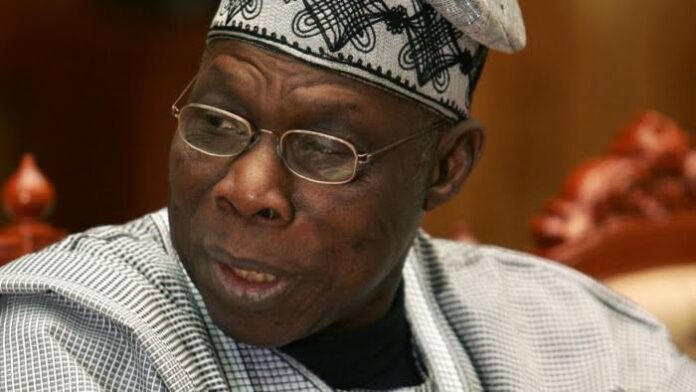
Former Nigerian President Olusegun Obasanjo has launched a scathing critique of African leadership, accusing many of the continent’s rulers of lacking the economic competence needed to foster real development. According to NewsVista sources, Obasanjo made these remarks while speaking at a panel session during the 32nd Afreximbank Annual Meetings (AAM2025) held in Abuja on Thursday.
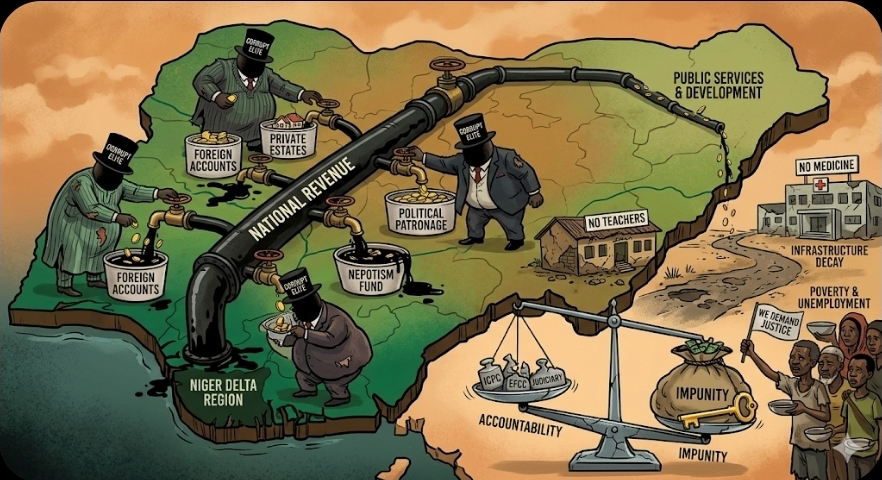
With a tone of frustration, Obasanjo questioned how leaders without even a basic grasp of economics could be expected to manage national affairs. “How many of our leaders even understand basic economics to be able to run the affairs of their country?” he asked. “Look at how we go about borrowing and wasting money. Waste and corruption—they are strange bedfellows of development. And that is what most of our leaders engage in.”
The former president directly linked Africa’s long-standing development struggles to systemic mismanagement, corruption, and an overreliance on foreign aid. According to NewsVista reporters at the event, he argued that many of the continent’s governance problems stem from inherited colonial democratic models that have failed to serve the African context.
“In most African languages, opposition is the enemy. Where do you talk of a loyal enemy?” Obasanjo asked. “Our democracy is not a democracy—it is a monocracy. You buy everyone; you become treasurer, and the money goes into your pocket.”
Obasanjo didn’t stop at criticism. He also offered a pathway forward, calling for a return to indigenous African leadership traditions rooted in consensus, communal responsibility, and inclusivity. In his view, modern systems need to evolve in a way that reflects African realities rather than copying foreign models that encourage division and self-enrichment.
The session, themed “African Renaissance in an Era of Turbulence: Are the Lions Still on the Move?”, sparked intense debate, but Obasanjo’s remarks stood out for their boldness and depth. His call for a leadership rethink echoes growing frustration among citizens across the continent, many of whom feel let down by their governments.
As Africa grapples with economic pressures and political instability, voices like Obasanjo’s are pushing for urgent change—and a leadership model that puts people, not power, at the center.





Leave a Reply