
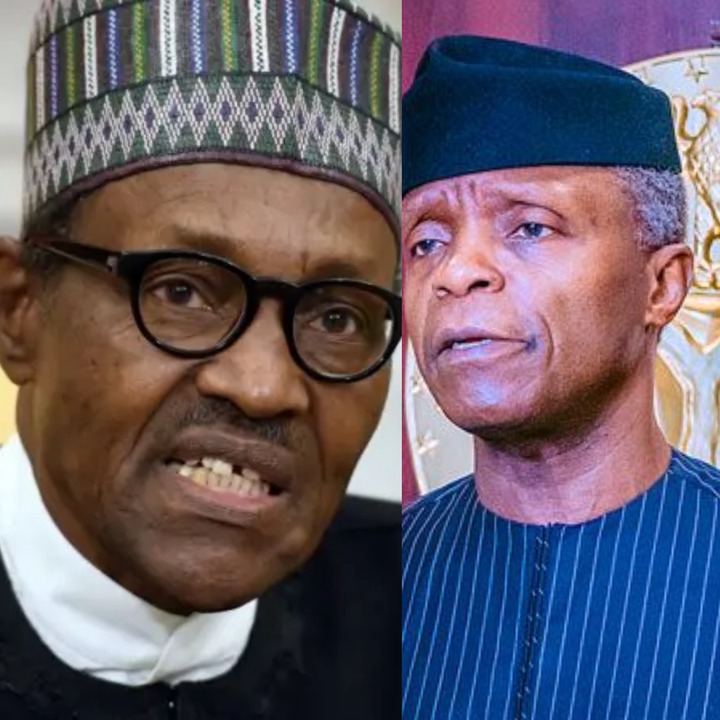
Political affairs analyst Prince Francis Chilaka has reignited discussions on the constitutional and practical authority of Nigeria’s vice presidents, arguing that the office often holds limited real power. Speaking on Voice of the People TV, Chilaka emphasized that while the vice president is constitutionally second-in-command, impactful decision-making largely depends on the president’s authorization.
Chilaka revisited the period when former President Muhammadu Buhari travelled abroad for medical treatment, during which then-Vice President Yemi Osinbajo assumed the role of Acting President. According to Chilaka, Osinbajo implemented decisive policies across economic and security sectors, which Nigerians viewed as reform-oriented and energizing for governance.
“When Buhari was sick and went abroad, Osinbajo put some things in place which Nigerians saw as a light at the end of the tunnel. When Buhari came back, he switched off the light and brought us back to darkness,” Chilaka remarked, highlighting how the return of the president abruptly curtailed the initiatives undertaken by the acting vice president.
Chilaka argued that this episode illustrates the structural limitations of the vice-presidential office in Nigeria. He maintained that without deliberate empowerment from the president, no vice president, regardless of competence, can effect meaningful change. He also stressed that excessive concentration of authority in the presidency undermines governance continuity, especially during periods when the president is unavailable or incapacitated.
The analyst called for institutional reforms that would allow the vice president to function effectively and sustain momentum during transitional periods, ensuring stability and continuity in government operations.
Your phone could be secretly spying on you. Turn off these 3 settings immediately before it’s too late — See, Detail
You Keep Dreaming of Snakes, Floods, or Your Old House? Here’s What It Really Means Spiritually — See, Now










Leave a Reply