
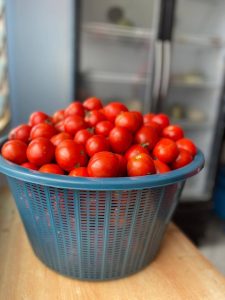
The recent decision by Burkina Faso to suspend the export of fresh tomatoes is set to significantly disrupt Ghana’s food market, with analysts warning of sharp price increases in the coming weeks.
Ghana’s heavy dependence on Burkinabè tomatoes makes the impact immediate and unavoidable. Trade data shows that about 90% of fresh tomatoes consumed in Ghana are imported from Burkina Faso.
In some recent estimates, this reliance is even higher, with nearly all imported fresh tomatoes coming from the neighbouring country.
This dependency exists because Ghana’s domestic production falls far short of demand.
The country produces roughly 368,000 metric tonnes annually against a demand of about 800,000 metric tonnes, leaving a large supply gap filled by imports.
Expected price impact in Ghana
With Burkina Faso halting exports, basic economic principles suggest a sharp supply shock. If up to 90% of the supply is disrupted, Ghana’s tomato market will face an immediate shortage.
In such cases, market trends in Ghana and across West Africa show that food prices can rise significantly when supply chains are cut.
Based on the scale of dependence, a short-term price increase is estimated 30% to 60% within weeks, and in the worst-case scenario (prolonged ban), prices could spike by 70% or more, especially in urban markets like Accra, Tarkoradi and Kumasi.
Market and Economic Effects
The ban will likely affect:
- Consumers: Higher food costs, as tomatoes are a staple in most Ghanaian meals
- Traders: Reduced supply could lead to hoarding and speculative pricing
- Local farmers: A temporary opportunity to increase supply and benefit from higher prices
- Food processors: Potential shortages for tomato-based products
Ghana currently spends hundreds of millions of dollars annually importing tomatoes from Burkina Faso, underlining how critical the trade is to the local economy.
Burkina Faso’s export suspension exposes Ghana’s vulnerability in food security. While local farmers may benefit in the short term, consumers are likely to bear the brunt through rising prices.
The situation also reinforces the urgency of Ghana’s long-term goal of reducing reliance on imports and boosting domestic tomato production.
If the ban persists, the Ghanaian tomato market could experience one of its sharpest price surges in recent years.
#Burkina #Faso #tomato #export #ban #Ghana #faces #price #shock















Leave a Reply