
| Image:Facebook |
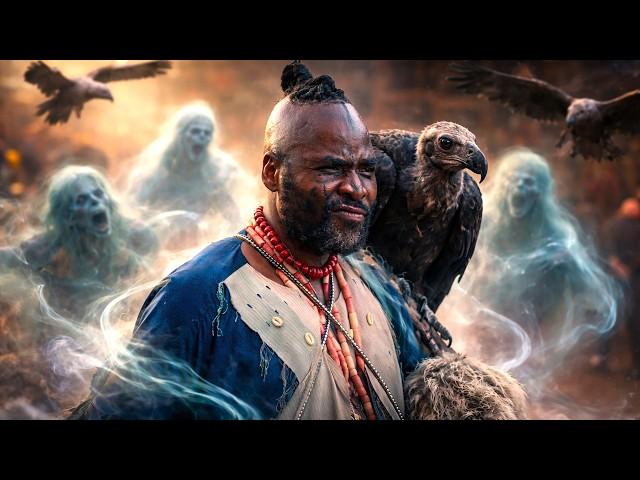
“Ologun Eru,” a Yoruba-language feature film streaming on GbaradaTv+, is a striking exploration of loyalty, tradition, and the weight of familial and ancestral expectations.
The film centers on a protagonist caught between personal autonomy and the constraints imposed by circumstance and heritage, navigating a life shaped by forces beyond his control.
Its title, loosely translated as “The Powerful Slave” or “Master of the Burden,” reflects the thematic focus on being bound to destiny, social expectations, and past decisions.
The narrative’s deliberate pacing allows viewers to fully absorb the emotional stakes of each scene as the characters confront secrets that threaten both personal relationships and social standing.
The story unfolds against a backdrop that contrasts the serenity and rigidity of rural life with the pressures of modernity.
This duality enriches the narrative, showing how tradition and contemporary realities collide in ways that test character and resilience.
The film excels in portraying the psychological and social complexity of its central character, emphasizing that the burdens we inherit are not always visible but are deeply felt.
One of the film’s most compelling aspects is its ensemble cast. Ibrahim Chatta delivers a powerful performance, embodying the internal struggle of a man caught between submission and defiance.
His portrayal is intense and physical, demonstrating his ability to convey deep emotional turmoil without overstatement.
Bimbo Akintola complements Chatta with a measured, graceful performance. She brings nuance to her role, depicting a woman torn between personal desires and the obligations of her family.
Peju Ogunmola anchors the narrative with her experience and presence, portraying a maternal figure whose guidance and moral authority highlight the cultural context of the story.
The chemistry among these three performers elevates the film, making it more than a simple drama; it becomes a character-driven study of human resilience and conflict.
Visually, the film makes excellent use of the landscapes of Western Nigeria, contrasting the quiet intensity of domestic spaces with the vibrant energy of communal life.
The cinematography captures these shifts with clarity, helping to underscore the thematic tensions between private struggles and public expectations.
Traditional Yoruba proverbs and poetic dialogue enrich the storytelling, lending authenticity and cultural depth.
These elements, combined with the sound design and soundtrack, work as narrative tools, amplifying mood and tension rather than serving merely as background accompaniment.
Music cues subtly guide the audience through the emotional arc of the story, heightening the impact of pivotal moments.
At its core, “Ologun Eru” is a commentary on the complexities of Nigerian social structures. It explores the influence of legacy and inheritance, revealing how the choices of one generation affect the next.
The film also examines the destructive power of family secrets, showing how silence and unspoken truths can shape lives in profound ways.
Additionally, it touches on themes of social justice, contrasting the lives of the powerful with those who bear the weight of systemic inequality.
Clocking in at nearly three hours, the film requires patience, but the investment pays off through rich character development and an emotionally resonant conclusion.
It is a testament to the continuing strength of Yoruba cinema, blending traditional values with modern cinematic techniques to craft a story that is both culturally significant and universally relatable.
“Ologun Eru” is a compelling watch for fans of Ibrahim Chatta and anyone who values storytelling that prioritizes emotional truth and cultural authenticity.
#ViralContent
#EntertainmentDaily











Leave a Reply