
| Image:Facebook |
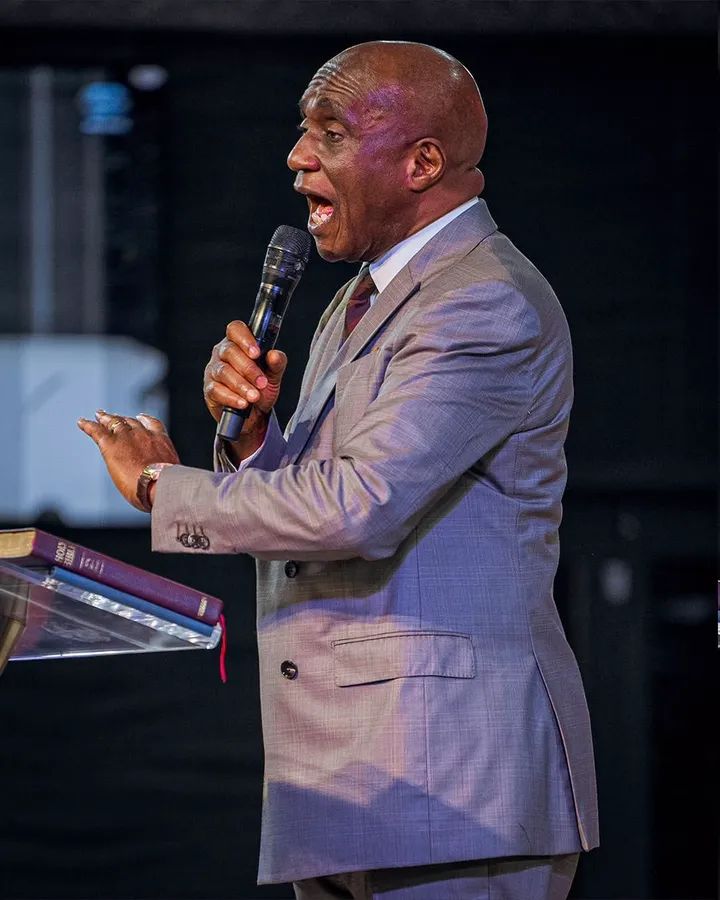
A recent sermon delivered by the General Overseer of David Ibiyeomie, founder of Salvation Ministries, has drawn significant public attention following his remarks on tithing and financial offerings within Christian practice.
His message, which placed strong emphasis on structured giving, quickly circulated across social platforms due to the specific figures and firm language used during the teaching.
In his address, the cleric spoke extensively about what he described as the relationship between spiritual discipline and financial generosity. He stressed that believers should approach giving with seriousness and consistency, framing it as an essential part of Christian life.
According to him, financial offerings are not random acts but intentional commitments tied to spiritual principles.
He stated during the sermon:
“You Have To Pay Correct Tithe If You Don’t Want Your Life To Be Tight. After Tithe, Give Quality Offerings. The Minimum Offerings I Give On Sundays Is $12,000 And The Minimum I Give On Week Days Is $2,000. If You Don’t Give Me Offering I’ll Still Be Stinkingly Rich. Stinginess Is The Gateway To Poverty And Giving Is The Gateway To Prosperity. Every Poor Man Is Stingy.”
The declaration, especially the mention of fixed minimum amounts for Sunday and weekday offerings, became a focal point of discussion. Many listeners focused on the confidence with which he described his personal giving standard, while others engaged with the broader message about generosity and prosperity.
He further explained that his financial posture is independent of external influence, suggesting that his wealth is not tied to what others contribute. His remarks indicated a belief that generosity is a spiritual principle that operates regardless of personal accumulation.
The sermon has since triggered conversations across different audiences, with interpretations varying widely. Supporters view the message as an encouragement toward disciplined giving and spiritual commitment, while critics question the framing of poverty and wealth within the context of faith-based instruction.
As discussions continue, the statements remain a central talking point in debates about religious giving practices, prosperity teachings, and financial expectations within modern church settings.
#Tithing
#Offering
#FaithAndWealth
#ProsperityTeaching















Leave a Reply