
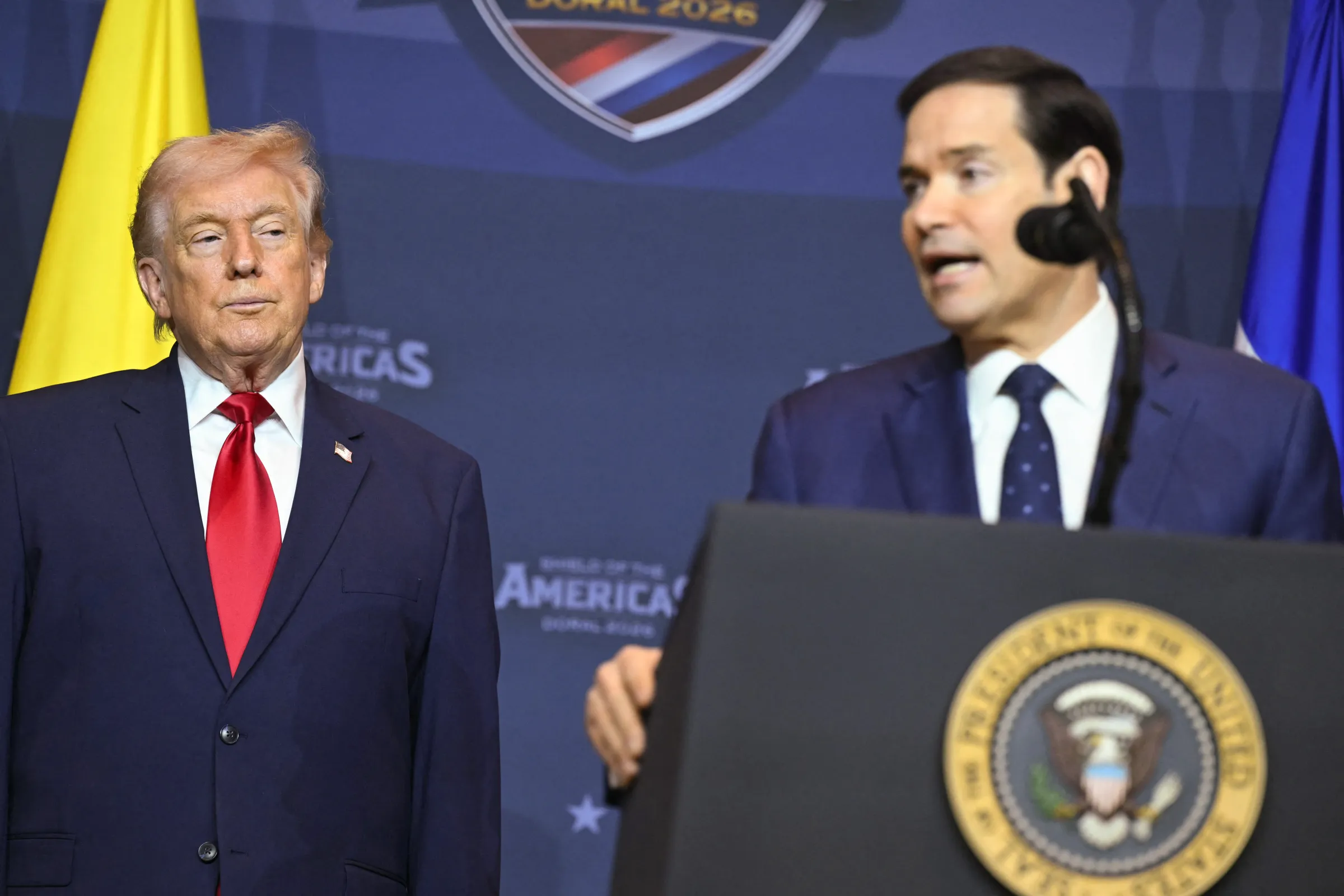
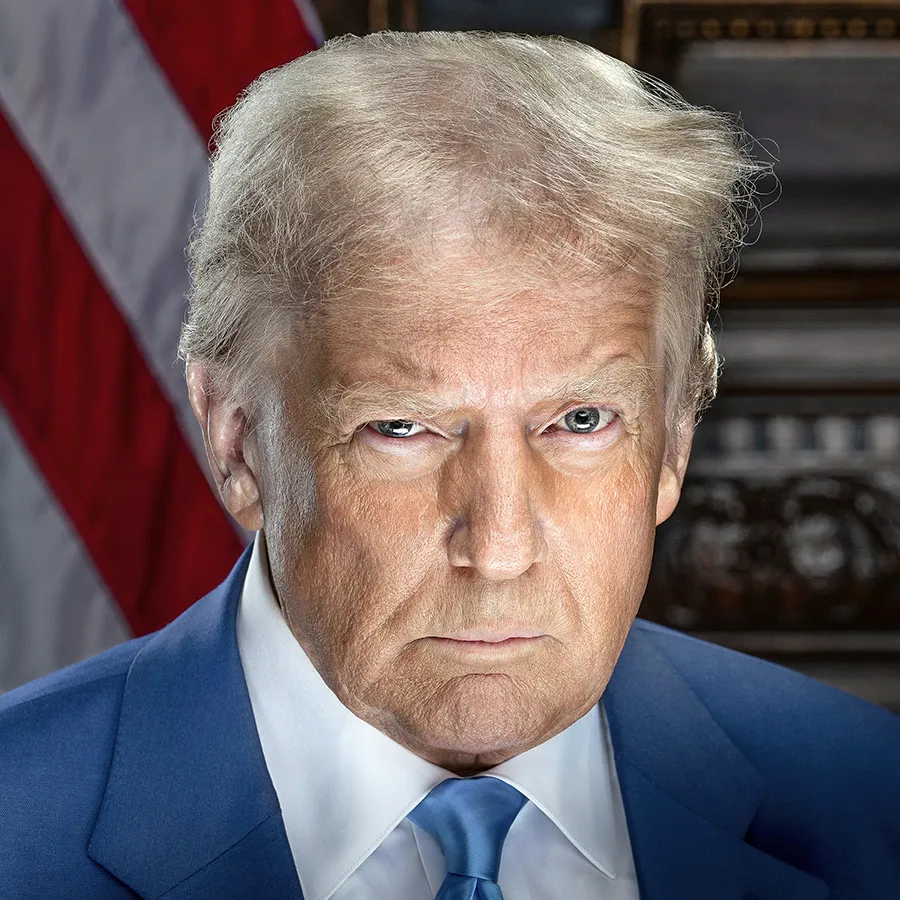
A senior United States delegation has met with Cuban government officials in Cuba as the administration of President Donald Trump intensifies pressure on Havana to agree to sweeping reforms amid worsening economic conditions on the island.
The visit is one of the highest-level US engagements with Cuba in roughly a decade and comes as Washington continues tightening economic restrictions, including limits on fuel supplies, while also warning of possible military options.
According to US officials, the delegation told Cuban authorities that time is running out for Havana to implement “key US-backed reforms” before conditions deteriorate further.
The visit is also the first time in years that a US government aircraft has landed in Cuba outside the Guantanamo Bay base, since diplomatic efforts during the Obama-era rapprochement in 2016.
The delegation reportedly pressed for major economic and political reforms, including measures to encourage private-sector growth, attract foreign investment, and improve competitiveness.
It also discussed proposals to introduce Starlink internet services in Cuba and compensation claims for US citizens and companies whose assets were seized.
Human rights concerns were also raised, including calls for the release of political prisoners and greater political freedoms within the country.
The US side also expressed concern about alleged foreign intelligence and military activity operating in Cuba, less than 100 miles from US territory.
A State Department official said one senior US envoy also met separately with a relative of former Cuban leader Raúl Castro during the visit.
Cuban officials confirmed that talks were held and described them as “respectful and professional,” while insisting that lifting what they call an “energy blockade” remains a top priority.
The broader economic pressure on Cuba has deepened its ongoing crisis, with severe shortages and fuel constraints affecting daily life across the country.
Meanwhile, Trump has repeatedly suggested possible military action against Cuba, linking his rhetoric to broader regional security developments, including recent US actions in Latin America.
Cuban President Miguel Díaz-Canel has strongly rejected such pressure, warning that Cuba will resist any attempt at military intervention and reaffirming commitment to the country’s political system.
The standoff continues to raise tensions between Washington and Havana as diplomatic engagement and coercive pressure unfold simultaneously.






Leave a Reply