
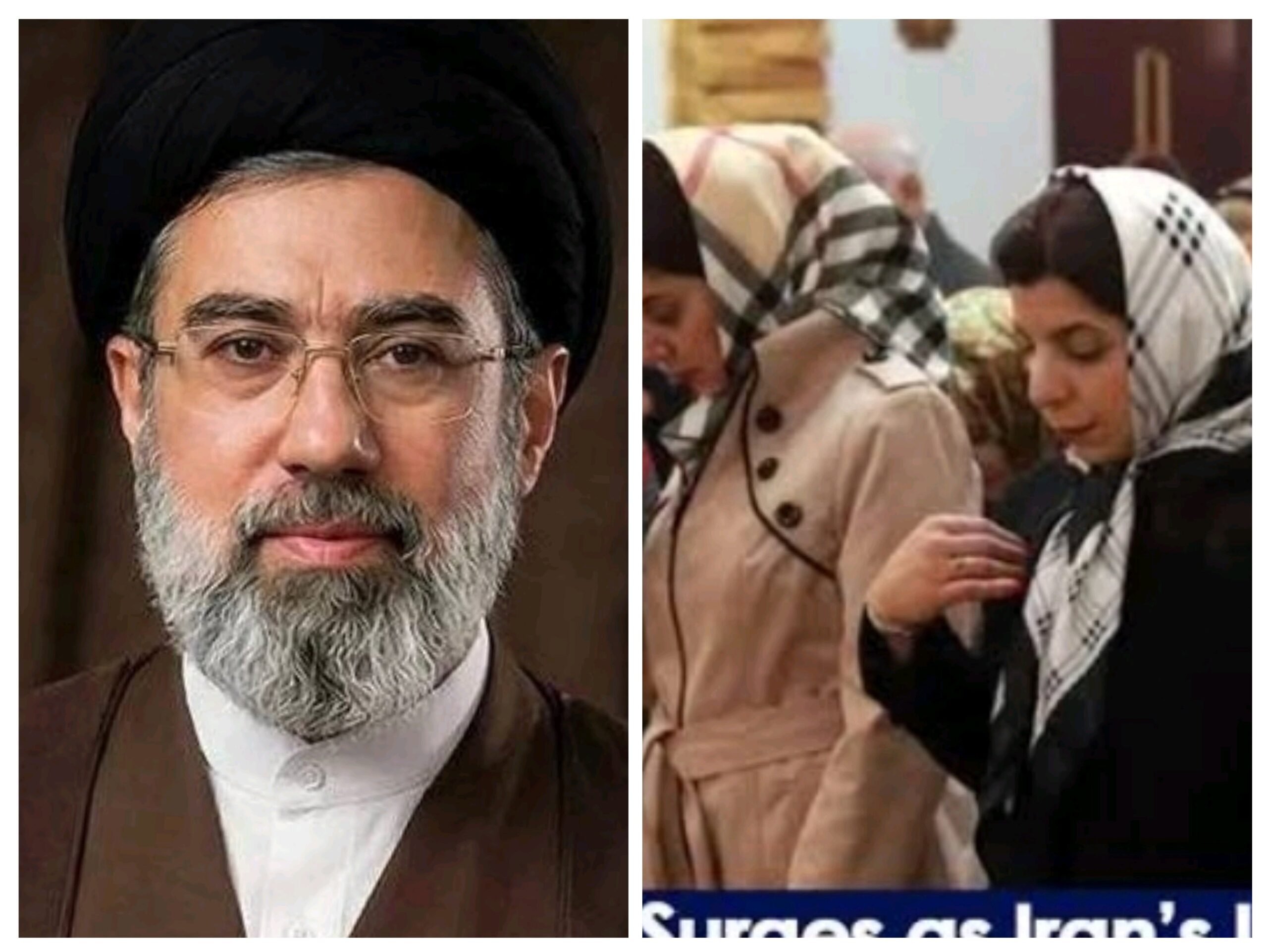
As nuclear ceasefire negotiations between the United States and Iran hang by a thread, a powerful voice from inside Iran is drawing a firm line: peace without regime change is no peace at all. CBN News Middle East Bureau Chief Chris Mitchell revealed in an exclusive interview that leaders connected to Iran’s underground church are insisting the war must not conclude without a fundamental transformation of the Islamic Republic’s government.
Mitchell, speaking from the CBN News studio, shared that CBN correspondent Gary Lane had conducted a critical interview with an Iranian leader who maintains direct contact with the underground church operating covertly inside Iran. The message from that community was unambiguous.
“They don’t want the war to end without a regime change,” Mitchell reported, underscoring the depth of conviction among Iranian believers who have long endured state-sanctioned persecution.
The underground church’s position is not merely political. According to Mitchell, these Christian communities see regime change as the precondition for a spiritual explosion across not only Iran but the broader Middle East. He noted that Iranian Christian leaders believe that if the current theocratic government were to fall, the underground church would be positioned to grow rapidly within Iran’s borders and extend its evangelistic reach across the region.
“If there is a regime change, the underground church can grow inside Iran and also evangelize not only the people of Iran but also the wider Middle East,” Mitchell conveyed.
This perspective carries enormous weight given the current fragility of the ceasefire. Mitchell noted that as of the interview, the deadline for the ceasefire was set to expire Wednesday evening, Eastern Standard Time, with no certainty that Iran would even participate in resumption talks. He observed a sharp internal division within Iran’s leadership — the mullahs appearing more open to negotiations while the Islamic Revolutionary Guard Corps was signaling defiance and resistance.
That division, Mitchell said, made the entire diplomatic landscape deeply uncertain. He pointed out that the IRGC’s current leadership now operates at what he described as its third tier, given how many senior commanders have been killed or removed in recent months.






Leave a Reply