
A stroke is a life-threatening medical emergency that occurs when blood flow to part of the brain is interrupted, either by a blockage (ischemic stroke) or bleeding (hemorrhagic stroke). Without oxygen-rich blood, brain cells begin to die within minutes, which can lead to permanent disability or death if not treated quickly.
Health experts emphasise that recognising early warning signs can save lives. While strokes often happen suddenly, the body may show warning signals shortly before or during the event.
Recognising Stroke Symptoms Early
Image
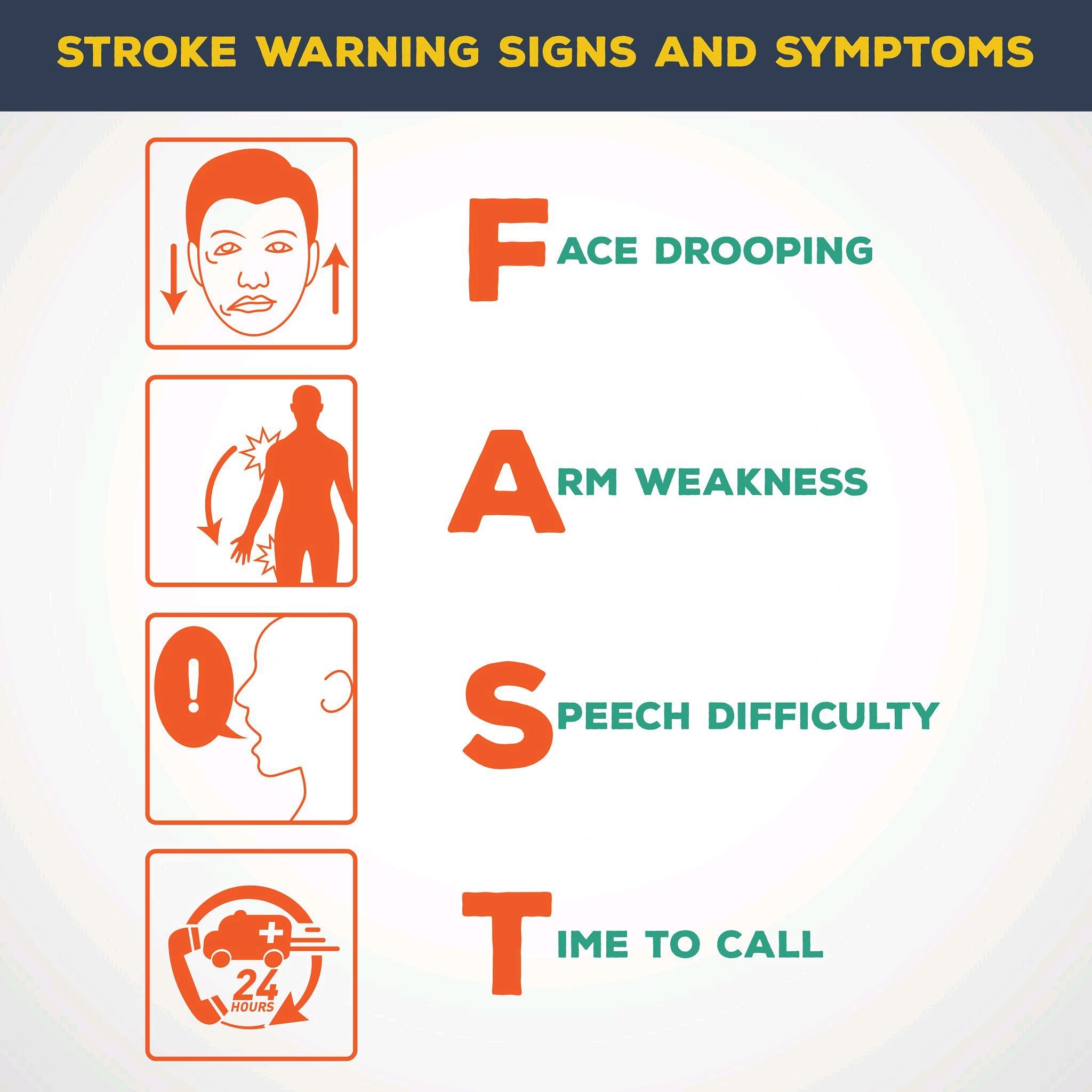
Medical professionals commonly use the FAST test to identify stroke symptoms quickly:
F (Face): One side of the face droops when smiling
A (Arms): One arm is weak or cannot be raised properly
S (Speech): Speech becomes slurred or difficult
T (Time): Immediate medical help is critical
If any of these signs appear, emergency services should be contacted immediately.
The 7 Key Warning Signs
Numbness or Weakness
Sudden numbness or weakness, especially on one side of the body (face, arm, or leg), is one of the most common stroke symptoms.
Confusion
A person may suddenly struggle to understand speech or become confused without a clear reason.
Difficulty Speaking
Trouble forming words or expressing thoughts clearly is a major red flag.
Vision Problems
Blurred or reduced vision in one or both eyes can occur suddenly.
Difficulty Walking
Loss of balance, poor coordination, or trouble walking may signal a stroke.
Dizziness
Sudden dizziness or a spinning sensation can indicate disrupted brain function.
Severe Headache
A sudden, intense headache, often described as the worst ever, can be a sign of a hemorrhagic stroke.
Why Immediate Action Matters
Image
Time is critical in stroke treatment. Doctors often have a narrow window, sometimes just a few hours, to administer treatments that can restore blood flow or stop bleeding in the brain. The sooner treatment begins, the better the chances of recovery.
Medical experts strongly advise against delaying care. Calling emergency services ensures that trained professionals begin treatment immediately, even before reaching the hospital.
Although strokes can happen without warning, knowing these symptoms can make a life-saving difference. Anyone experiencing these signs—or witnessing them in another person, should seek urgent medical attention without delay. Early recognition and rapid response remain the most effective ways to reduce the devastating impact of stroke.













Leave a Reply