
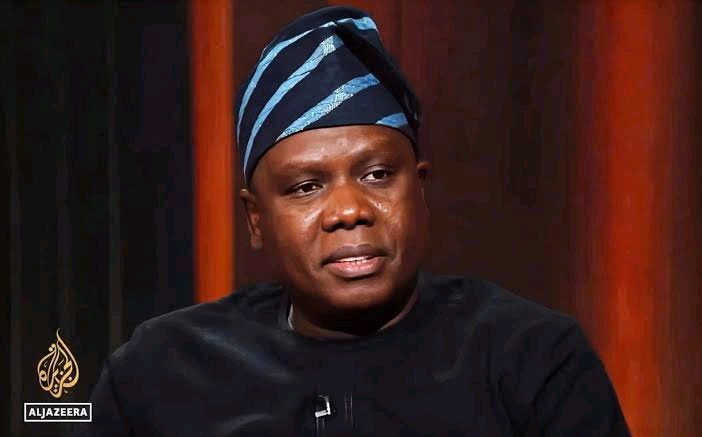
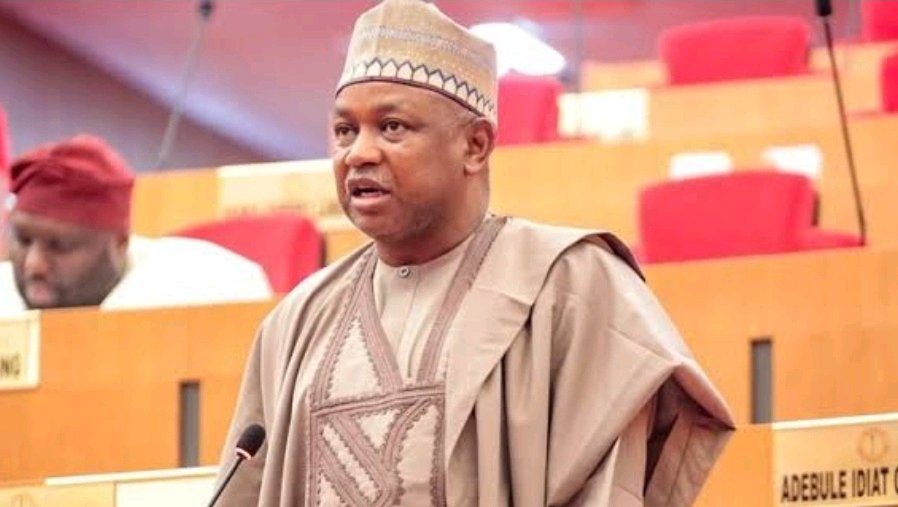
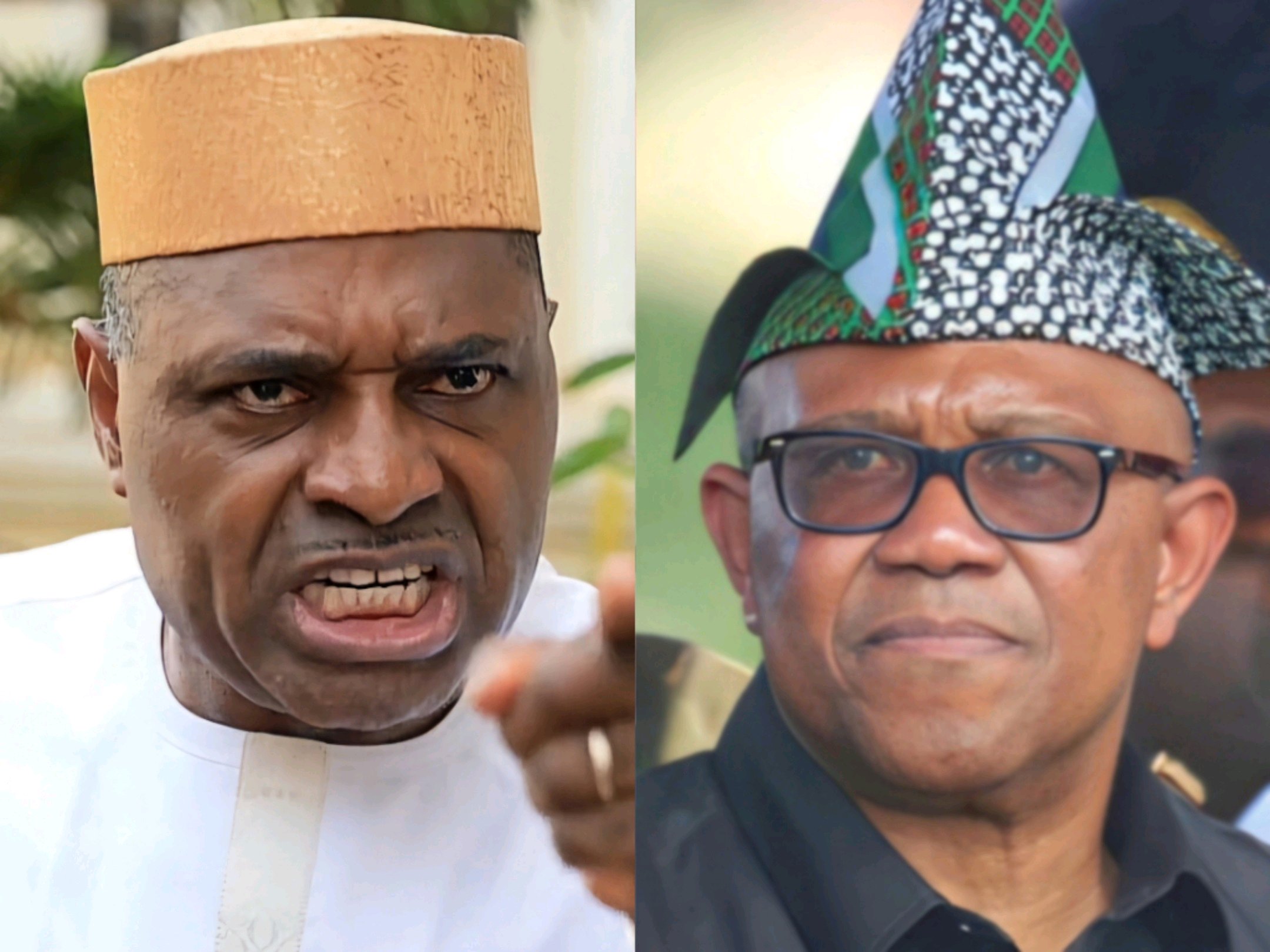
Daniel Bwala, the Special Adviser on Media and Policy Communications to President Bola Ahmed Tinubu, has sparked discussions after making a controversial remark while responding to criticism from supporters of former presidential candidate Peter Obi.
During an interview on News Central TV, Bwala recounted that eight days after a previous high-profile interview, he underwent throat surgery. While clarifying that he has no evidence linking his health issue to any external influence, he remarked on the intensity of online political activism by certain groups.
“I had throat surgery eight days after that interview; I don’t know if Obedients were responsible,” he said, referencing the organized online supporters of Peter Obi, commonly called “Obedients.”
Bwala alleged that Obedients have been particularly aggressive on social media, pushing narratives and criticisms without consideration for broader national discourse. He noted that his repeated critiques of Obi have elicited significant backlash from this segment of online political actors. Despite the pressure, Bwala said he remains undeterred and is preparing for future political engagements.
“The Obedients operate with a certain intensity online. They react strongly to any criticism of their preferred political figures, and often, their campaigns are more about influence than constructive discussion,” Bwala explained.
Observers note that Bwala’s comments reflect the growing tension in Nigeria’s political landscape, where social media has become a powerful tool for political mobilization, but also a platform for aggressive partisanship. Political supporters, especially of prominent figures like Peter Obi, have increasingly engaged in coordinated online campaigns, which some critics say can border on harassment or intimidation.
Bwala’s acknowledgment of his throat surgery shortly after his interview has raised eyebrows, with some interpreting his comment as a tongue-in-cheek reference to the intensity of political attacks online. However, he clarified that he has no proof of a causal link between his health procedure and the activities of Obedients.
“I am not making any claims about causality; I simply shared the timeline. My focus remains on political engagement and ensuring that discourse around governance is informed,” he said.
The adviser’s remarks come amid ongoing debates about the influence of social media in Nigerian politics, particularly how organized groups can shape narratives and influence public opinion. Analysts have highlighted that while political activism online can be a force for engagement, it can also contribute to polarization and the spread of misinformation.
Bwala emphasized that political debate should focus on ideas, policies, and governance rather than personal attacks or online harassment. He urged Nigerians to engage critically with information while resisting the urge to allow online partisanship to dominate the national conversation.




Leave a Reply