
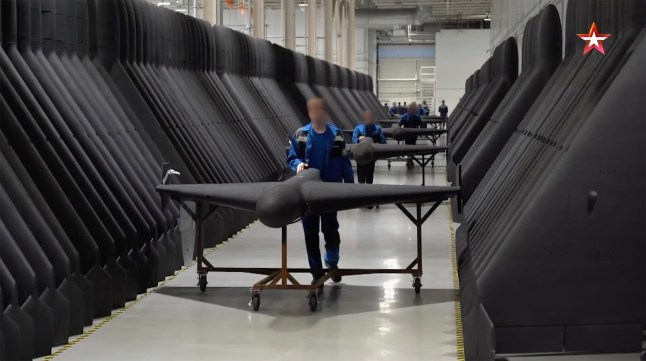
Russia is reportedly stockpiling hundreds of thousands of fibre-optic drones amid fears the weapons could be used in a future confrontation with NATO and the Baltic States.
According to reports citing Ukrainian and Russian intelligence sources, Vladimir Putin allegedly redirected large numbers of advanced first-person-view (FPV) drones away from the Ukrainian battlefield and into storage depots beginning in late 2025.
The reports claim Russia may already possess around 130,000 fibre-optic drones, with estimates suggesting the stockpile could rise to 200,000 by the end of summer.
Unlike traditional drones controlled by radio signals, fibre-optic FPV drones use ultra-thin cables for communication, making them significantly harder to disrupt with electronic jamming systems commonly used by NATO forces.
Russian military analysts reportedly believe such drones could overwhelm the defences of Estonia, Latvia and Lithuania during the opening stages of a potential conflict.
The Baltic nations are considered strategically vulnerable because, despite possessing modern electronic warfare systems, they lack Ukraine’s direct experience with large-scale drone warfare. Some reports claimed Russian planners believe European nations may hesitate to engage in a prolonged conflict with a nuclear power, particularly while Donald Trump remains in the White House.
In March, the organisation Volya reportedly cited sources within the Russian Defence Ministry claiming plans for a possible Baltic operation had advanced to a new stage. The analysis alleged Russia could frame any future military action as a “special operation” aimed at protecting ethnic Russians or responding to alleged nationalist threats.
The concerns come amid speculation that the war in Ukraine may be entering a new phase, potentially allowing Russia to redirect troops and resources elsewhere.
The Baltic states, all former Soviet republics, have repeatedly warned they could become future targets if Russia emerges strengthened from the Ukraine conflict. Meanwhile, Finland has continued reinforcing security along its 830-mile border with Russia. Last year, Finnish authorities erected sections of fencing topped with barbed wire along parts of the frontier.
Satellite imagery has also reportedly shown increased Russian military infrastructure near Finnish territory, including expanded barracks and troop facilities in Kamenka, located roughly 35 miles from the Finnish border.














Leave a Reply