
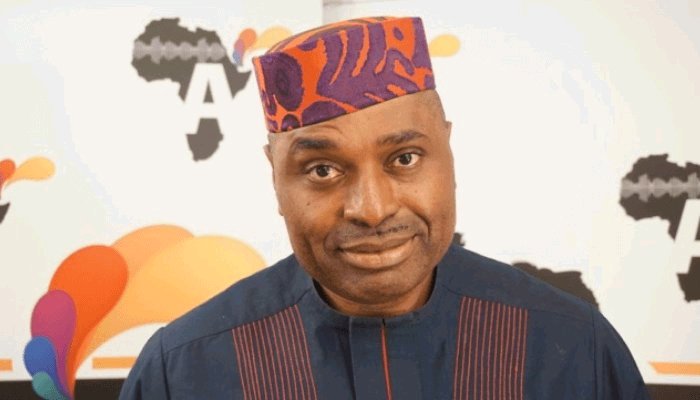
Kenneth Okonkwo, former spokesperson for the Labour Party presidential campaign, has criticized the political leadership style of Peter Obi while drawing comparisons with President Bola Tinubu.
Speaking during a recent interview featured on the official YouTube channel of SYMFONI, Okonkwo argued that the true success of a political leader should be measured by the ability to mentor, empower, and produce successors capable of sustaining political influence across the country.
While comparing both politicians, who served as governors during the same political era, Kenneth Okonkwo stated that President Bola Tinubu built and nurtured numerous politicians over the years, creating a strong political network and structure.
“Tinubu made a lot of politicians and groomed them, because the success of a leader is that you have successors, Peter Obi built nobody,” he said.
According to Okonkwo, the absence of strong political protégés around Peter Obi has weakened his political structure and limited his long-term influence.
He further explained that the current political environment demonstrates a major difference in the organizational strength of both men. According to him, President Tinubu can rely on a broad network of loyal allies and political associates cultivated over decades, while Obi faces difficulties because he allegedly failed to invest sufficiently in developing political followers during his time as governor.
Kenneth Okonkwo stressed that politics depends heavily on numbers, networks, and structures, which he said are built through deliberate mentorship and empowerment of supporters.
He argued that a leadership style centered on operating independently does not easily translate into success at the national political level. According to him, by failing to establish a strong political family and succession structure, Obi may have reduced his capacity to effectively challenge more established political forces.
In his concluding remarks, Okonkwo encouraged younger politicians to focus on developing people and building enduring political relationships throughout their careers.
He maintained that political offices are temporary, but the individuals a leader mentors and empowers eventually become the foundation of a lasting political legacy. According to him, politicians who fail to build others around them risk remaining isolated in a highly competitive political environment.








Leave a Reply