
| Image:Facebook |
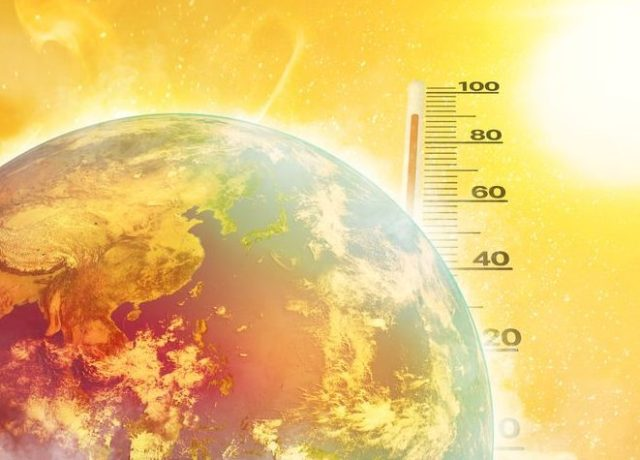
Climate scientists have reported that the year 2025 is on track to become the second-warmest year on record, closely following 2024’s unprecedented global temperatures.
According to the European Union’s Copernicus Climate Change Service (C3S), 2025 is expected to match 2023’s warmth, highlighting a troubling trend in rising global temperatures.
If confirmed, this would mark the first time in history that global average temperatures have surpassed 1.5 degrees Celsius above pre-industrial levels for three consecutive years.
Pre-industrial levels refer to the period between 1850 and 1900, before humans began widespread fossil fuel consumption during the industrial era.
C3S maintains comprehensive records dating back to 1940 and compares them with global temperature data from 1850 onward, underscoring the long-term acceleration of climate change.
Experts say the recurring high temperatures reflect the growing challenge of meeting international climate targets set under the 2015 Paris Agreement.
Nations pledged to limit global warming to 1.5°C in order to avoid catastrophic impacts, including rising sea levels, extreme weather events, and disruptions to agriculture and ecosystems.
However, recent trends suggest that achieving this goal may no longer be realistic without immediate and significant action to reduce greenhouse gas emissions.
“The only way to mitigate future rising temperatures is to rapidly reduce greenhouse gas emissions,” said Samantha Burgess, strategic lead for climate at C3S.
She explained that emissions from burning fossil fuels remain the primary driver of global warming, contributing to the accumulation of carbon dioxide and other heat-trapping gases in the atmosphere.
The projected record-breaking temperatures in 2025 highlight the urgent need for governments, businesses, and individuals to accelerate efforts to transition to cleaner energy sources, improve energy efficiency, and implement policies aimed at reducing carbon footprints.
Failure to act promptly could push global temperatures beyond thresholds that scientists warn may trigger irreversible environmental damage.
Climate scientists are increasingly concerned that the persistent rise in global temperatures will have severe consequences for vulnerable populations, particularly in regions already prone to extreme weather.
Heatwaves, droughts, and flooding are expected to intensify, affecting food security, water resources, and public health worldwide.
The recent data from C3S serves as a stark reminder of humanity’s impact on the planet and the pressing need for coordinated action on climate change.
As 2025 approaches the end of the year, the global community faces mounting pressure to prioritize sustainability, implement carbon reduction strategies, and commit to policies that can slow the pace of climate change for future generations.
The milestone underscores the accelerating pace of climate change and emphasizes that immediate action is crucial to mitigate further environmental degradation.
Scientists and policymakers alike are calling for stronger measures to ensure that the warming trend does not continue unchecked, highlighting the critical importance of international cooperation in addressing one of the most urgent challenges of our time.
#ExclusiveUpdate
#News















Leave a Reply