
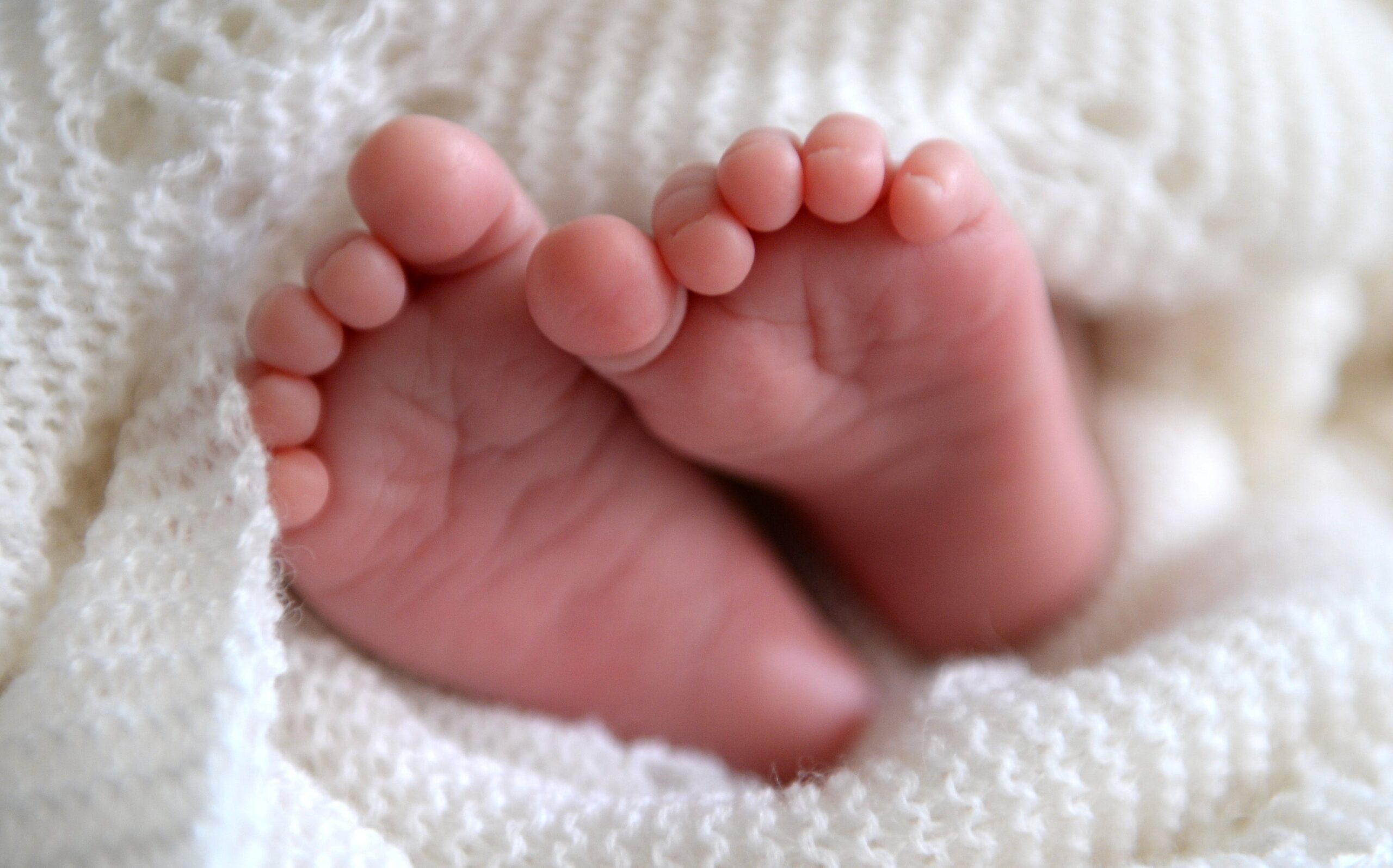
Sperm from a donor who unknowingly carried a severe genetic mutation has been used to father nearly 200 children across Europe, prompting widespread concern among regulators, doctors and affected families. The donor, who was healthy and unaware of any medical issues, carried a mutation in about 20 percent of his sperm affecting the TP53 gene, a critical tumour-suppressor responsible for stopping cancer cells from growing. Children conceived using sperm that carried the mutation now live with Li-Fraumeni syndrome, a genetic condition that gives carriers up to a 90 percent risk of developing cancer before the age of 60, with a particularly high likelihood of childhood cancer.
The Human Fertilisation and Embryology Authority (HFEA) confirmed that a small number of British women who travelled abroad for fertility treatment were among the recipients. The BBC uncovered the case following a joint investigation with 13 other public service broadcasters as part of the European Broadcasting Union’s Investigative Journalism Network. According to the investigation, the donor’s sperm was used in 67 fertility clinics across 14 countries, leading to at least 197 births, though the actual figure may be higher as not all cases have been traced.
Some of the children conceived with the donor’s sperm have already developed cancer, and several have died. Concerns first surfaced at the European Society of Human Genetics, where Dr Edwige Kasper presented early findings showing that 23 of 67 identified children carried the mutation and that 10 had already developed cancer. She said, “We have many children that have already developed a cancer. We have some children that have developed already two different cancers and some of them have already died at a very early age.”
The TP53 mutation responsible for Li-Fraumeni syndrome severely increases the risk of cancers such as breast cancer, brain tumours, osteosarcoma, soft-tissue sarcomas and various childhood cancers. Unlike mutations such as BRCA, which primarily affect adults, this gene failure places children at immediate and lifelong risk. Affected individuals require regular MRI scans and ultrasounds to monitor for tumours.
One single mother whose daughter inherited the mutation said it was unacceptable that she received sperm that “wasn’t clean, that wasn’t safe, that carried a risk.” The HFEA stressed that none of the affected sperm was distributed to licensed UK clinics and noted that UK law limits donor sperm use to 10 families, a rule not mirrored in many other countries. In Belgium, where the limit is six families, 53 children were reportedly conceived from this one donor.
Peter Thompson, the HFEA’s chief executive, confirmed that the Danish Patient Safety Authority had notified the UK that a small number of British women received treatment at Danish clinics using the donor’s sperm. He said those women were informed by the clinics involved. Genetic experts say the mutation was unlikely to have been detected during routine screening because it occurred spontaneously in the donor before birth and was not present in his blood, making standard genetic tests ineffective. Fertility specialist Professor Jackson Kirkman-Brown explained that screening for such a mutation is extremely difficult because each sperm cell carries unique DNA variations, adding that the real issue is the lack of international limits on donor use. Work is underway by European reproductive health authorities to establish cross-border family limits to prevent similar cases.
The number of children affected may continue to rise as more families come forward. The case has raised urgent questions about donor screening, international regulatory gaps and the responsibilities of fertility clinics operating across borders.
#Sperm #donor #cancercausing #gene #fathered #children











Leave a Reply