
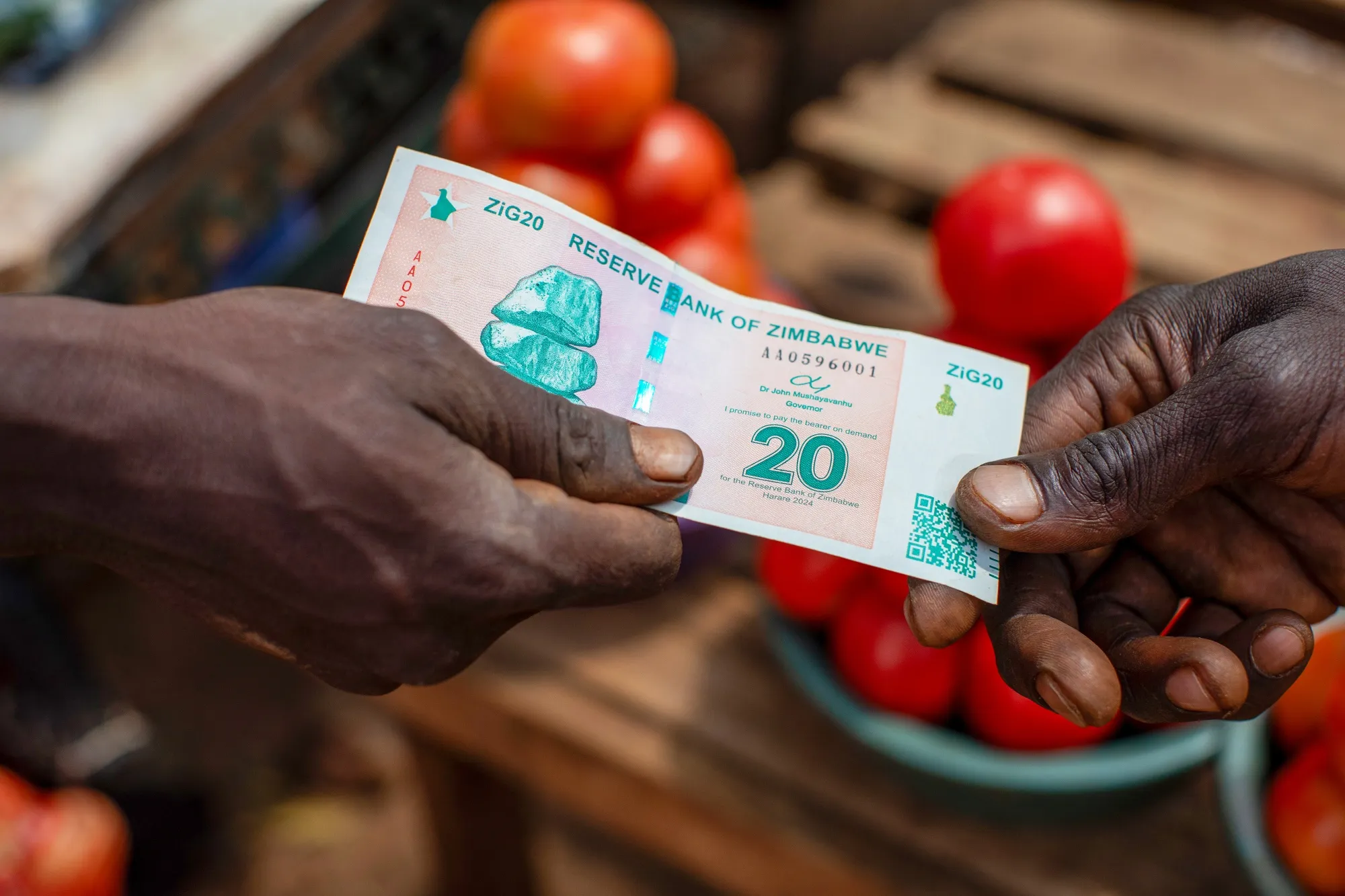
Foreign business owners across Zimbabwe have been given a firm three year deadline to relinquish control of their companies to local citizens under sweeping new indigenisation rules that have dramatically reshaped the country’s economic landscape. The regulations, formally known as the Indigenisation and Economic Empowerment Foreign Participation in Reserved Sectors Regulations 2025, came into force on December 12, 2025, triggering widespread concern within the small and medium scale business community.
The policy, enacted through Statutory Instrument 215 of 2025, compels existing foreign owned enterprises operating in sectors now reserved for Zimbabweans to divest a controlling stake. Under the law, affected businesses must sell 75 percent of their equity to Zimbabwean citizens, with full compliance required by December 2028. For many foreign operators, this effectively presents a choice between securing local partners or withdrawing from the market altogether.
The scope of the regulation is broad, covering many everyday commercial activities that were previously open to foreign participation. These include personal care services such as barber shops and beauty salons, small scale food production like bakeries and grain milling below certain thresholds, as well as employment agencies, estate agencies and advertising firms. The rules also extend to the marketing and distribution of local arts and crafts, artisanal mining activities, borehole drilling, passenger transport services, car hire operations, valet services and pharmaceutical retail outlets, all of which are now restricted to citizen ownership.
While the regulations significantly narrow opportunities for foreign entrepreneurs, they do provide limited exceptions for investors able to commit substantial capital. In retail and wholesale trade, foreign participation is only permitted where an investor injects at least 20 million dollars and employs a minimum of 200 Zimbabweans. The haulage and logistics sector remains accessible under similar conditions, though at a lower threshold of 10 million dollars in investment and at least 100 employees.
The government maintains that major industries such as large scale mining and banking remain open to foreign ownership under the broader Indigenisation Act, arguing that the new measures are designed to ring fence the grassroots economy for citizen empowerment. As the divestment timeline begins, the next three years are expected to test both investor confidence and the government’s ability to implement one of its most ambitious economic policies in recent years.
#Zimbabwean #government #foreign #business #owners #years #sell #majority #shares #locals














Leave a Reply