
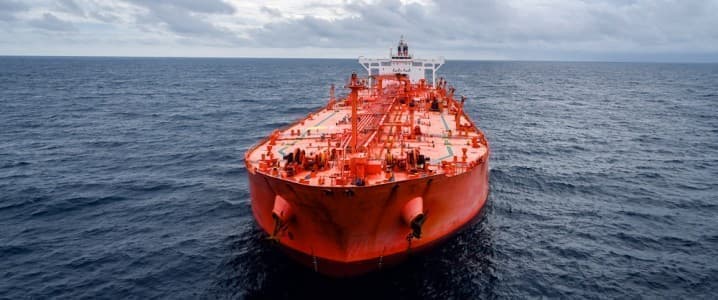
This week, Washington has again increased the pressure on Venezuela with the first seizure of a sanctioned tanker off the Venezuelan coast, and preparations for more, in a bid to further disrupt PDVSA’s logistics by scaring the insurers.
The effect reverberates by raising the risk premium.
At the same time, Chevron is in active discussions with the Trump administration on how it can continue operations in Venezuela in compliance with sanctions, with the Chevron CEO emphasizing the supergiant’s “long view” on remaining engaged despite the intensifying situation.
Kurdistan’s shift to a gas-backed power system has changed the dynamics with Baghdad.
Khor Mor and nearby fields now support more than 8 GW of generation, and federal Iraq is drawing heavily on that output.
Kirkuk and Nineveh rely on KRG electricity, and Baghdad has committed to taking Khor Mor gas for the 620-MW Kirkuk plant. This creates a level of dependence that Baghdad cannot offset quickly.
The recent UAV strike on Khor Mor, likely carried out by an Iran-aligned militia, was aimed at the gas-handling zone and designed to disrupt operations without causing a full shutdown.
The intent was political pressure: signal that further gas development or expanded power exports can be contested and remind Baghdad that its reliance on KRG-linked infrastructure carries risk.
For Erbil, this comes after losing ground in the fight over unilateral oil exports.
The post A fragile calm brings ships back to the red sea appeared first on The Ghana Report.
#fragile #calm #brings #ships #red #sea












Leave a Reply