
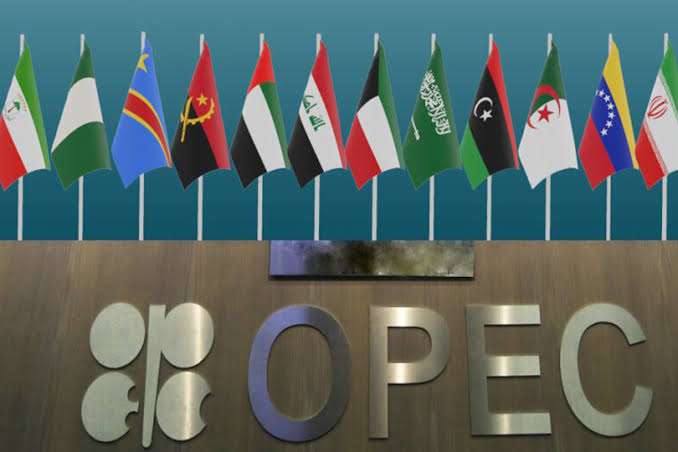
The United Arab Emirates has announced that it is pulling out of the Organization of the Petroleum Exporting Countries (OPEC) after nearly 60 years as a member.
In a post on X on Tuesday, Suhail Mohamed AlMazrouei, the UAE’s minister of energy, said the UAE also exiting OPEC+, a wider alliance of the oil cartel.
Al Mazrouei explained that the decision is based on a long-term review of the country’s energy plans and market direction.
“The UAE’s decision to exit OPEC aligns with sector policy-driven developments and is consistent with long-term market fundamentals,” he said.
“We express our appreciation to OPEC and member states for decades of constructive cooperation.”
He said the UAE remains committed to supplying energy responsibly and supporting stability in global markets.
The announcement comes at a time of tension in the Middle East, where ongoing conflict involving the United States, Israel, and Iran has disrupted global energy supply and pushed prices higher.
The UAE produces close to 2.9 million barrels of oil per year and has been part of OPEC since 1967.
Its exit is expected to reduce the group’s production strength and affect its influence in the oil market.
Analysts believe the decision could weaken OPEC’s unity, especially as it may lose a major and influential member.
The organization currently has 12 members, including Saudi Arabia, Nigeria, Iran, Iraq, Kuwait, and Venezuela, and controls a large share of global oil supply.
With the UAE leaving, the group will now operate with 11 members, increasing pressure on key producers like Saudi Arabia to maintain balance within the alliance.
ALSO READ: OPEC Secretary-General, Mohammed Barkindo Dies After Being Honoured By Buhari















Leave a Reply