
| Image:X |
The long-standing cultural relationship between Nigeria and Ghana has produced many shared experiences, but nowhere is this connection more evident than in film.
Over the years, the collaboration between Nollywood and Ghana’s film industry has created a blended cinematic space where actors, stories, and audiences flow seamlessly across borders.
For many viewers, especially during the peak of African home video films in the 2000s, it became increasingly difficult to tell where one industry ended and the other began.
This unique crossover gave rise to a fascinating phenomenon: several Ghanaian actors became so deeply rooted in Nigerian cinema that they were often assumed to be Nigerians.
Their consistent presence in Nollywood productions, combined with their cultural adaptability, made them household names across Nigeria, blurring national identities in the process.
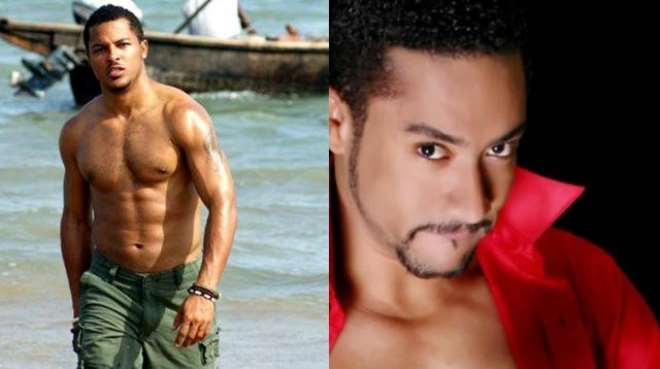
One of the most notable figures in this category is Majid Michel. At the height of his career, he was one of the most sought-after romantic leads in Nollywood.
His performances alongside top Nigerian actresses felt so authentic that many viewers believed he was a homegrown star. His ability to blend into Nigerian roles, including his comfort with pidgin English, only strengthened that perception.
Even as his career later took a spiritual turn, his strong connection with Nigerian audiences remained intact.
Similarly, Jackie Appiah became a defining face of Nollywood romance and drama. Her calm delivery and elegance made her a favorite in films that revolved around love, wealth, and family.
Because she featured heavily in Nigerian productions, many fans overlooked her Ghanaian roots entirely. Her familiarity on Nigerian screens gave the impression that she was just as local as any Lagos-based actress.
Van Vicker also enjoyed immense popularity during the era when romantic dramas dominated African cinema. His roles in numerous joint productions positioned him as a leading man not just in Ghana, but across West Africa.
He was frequently mentioned alongside Nigerian stars in entertainment conversations, further erasing the lines of nationality in the minds of audiences.
Another actress who experienced this identity mix-up is Nadia Buari. Her collaborations with major Nollywood actors and her frequent appearances in Nigerian media placed her firmly within the Nigerian celebrity space.
For many fans, she became synonymous with Nollywood, despite her Ghanaian heritage. Her popularity made her one of the most recognizable faces on African screens at the time.
Yvonne Nelson also carved out a strong presence in Nigeria’s film and entertainment scene. Known for her versatility and bold personality, she became a regular feature in movies centered around urban lifestyles and high society.
Her influence extended beyond acting into fashion and pop culture, making her feel like an integral part of Nollywood’s evolution.
The reason behind this widespread confusion goes beyond individual success stories. During what many consider the golden era of West African cinema, collaboration was not just common it was essential.
Film projects often moved between Nigeria and Ghana, with scripts developed in one country, shot in another, and distributed across both. This fluid production process made it nearly impossible for audiences to associate films with a single national identity.
Language also played a major role. English and pidgin served as shared mediums of communication, removing cultural barriers and making films accessible to audiences across the region. As a result, actors could easily adapt to roles regardless of their country of origin, further blending identities on screen.
Distribution channels added another layer to this phenomenon. Nigerian marketers dominated the circulation of films across Africa, meaning many Ghanaian productions were packaged and promoted within the broader Nollywood framework.
This created the impression that all these films and the actors within them belonged to one unified industry.
In the end, the story of these actors highlights the power of collaboration in storytelling. While they remain proudly Ghanaian, their success in Nollywood reflects a time when African cinema thrived on unity rather than division.
Their legacy serves as proof that in entertainment, talent and influence can transcend borders, creating a shared cultural identity that resonates far beyond nationality.
#VirallContent
#ExclusiveUpdate








Leave a Reply