
| Image:Facebook |
Nollywood is currently experiencing a creative resurgence that blends the past with the present, as filmmakers revisit some of the industry’s most iconic 1990s titles.
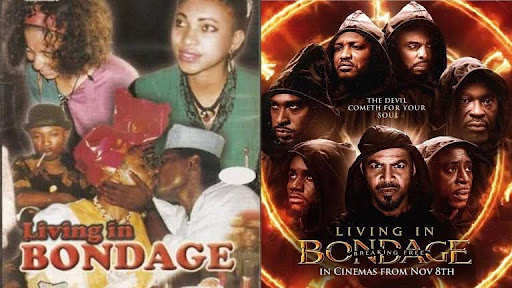
Classics such as Living in Bondage, Glamour Girls, and Nneka the Pretty Serpent have returned in refreshed formats, sparking widespread discussion among audiences both in Nigeria and abroad.
This growing trend is not simply a reflection of creative recycling but a strategic blend of nostalgia, modern filmmaking technology, and evolving business opportunities.
At the centre of this movement is nostalgia, a powerful emotional force that continues to shape audience behaviour. For many Nigerians who grew up in the 90s, these films are more than entertainment; they are cultural memories.
They represent the early days of home video storytelling, when Nollywood became a household name through VHS tapes and informal distribution networks.
By reviving these stories, filmmakers are reconnecting with an audience that already has a strong emotional attachment to the original titles.
At the same time, younger viewers are being introduced to foundational stories that shaped Nigerian pop culture, creating a shared cultural experience across generations.
Beyond emotional appeal, the technical evolution of Nollywood plays a major role in the remake trend. The original 90s productions, while groundbreaking at the time, were often constrained by limited budgets, poor sound quality, basic lighting, and low-resolution video formats.
Today’s industry, often referred to as “New Nollywood,” operates with advanced digital cameras, high-definition visuals, professional sound design, and sophisticated post-production techniques.
This transformation allows filmmakers to reimagine older stories with a level of polish and cinematic depth that was previously impossible. As a result, familiar narratives are being presented in a visually richer and more immersive way, making them appealing to modern audiences accustomed to global film standards.
The commercial side of the industry has also contributed significantly to this trend. Streaming platforms such as Netflix and Amazon Prime Video have reshaped how Nigerian films are financed and distributed.
These platforms often prefer stories with established recognition, as they come with built-in audience interest and reduced marketing risk.
A title like Living in Bondage already carries brand value, making it easier to attract investment compared to completely new concepts.
The success of Living in Bondage: Breaking Free, directed by Ramsey Nouah, demonstrated the financial potential of well-executed remakes, grossing significant revenue and gaining international attention. Its performance encouraged production companies like Play Network Studios to explore more legacy titles for modern adaptation.
Another important factor driving this movement is storytelling evolution. While the original films often focused on moral lessons, supernatural themes, and cautionary tales, modern remakes tend to adopt more complex genres such as psychological thrillers, crime dramas, and socially conscious narratives.
These updated versions reflect current Nigerian realities, including urban ambition, digital influence, economic pressure, and shifting social values. In doing so, they preserve the essence of the original stories while making them more relevant to today’s audience.
Ultimately, the return of 90s Nollywood classics represents a broader industry transformation. It highlights how Nigerian cinema is learning to balance heritage with innovation. By revisiting old stories through a modern lens, filmmakers are not only preserving cultural history but also strengthening Nollywood’s global competitiveness.
This trend shows that the industry is not running out of ideas; instead, it is rediscovering the power of its foundations while building a more advanced cinematic future.
#ViralContent
#NollywoodTimes









Leave a Reply