
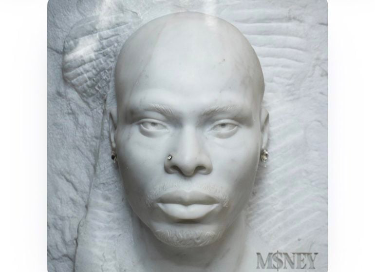
| Image: Google |
For an artist like Asake, expectations are never average. Since his breakout under Olamide’s YBNL imprint, he has consistently delivered high-energy hits that dominate charts, clubs, and street playlists. His fusion of Fuji-inspired vocals, amapiano bounce, and street-hop charisma quickly carved out a distinct identity that resonated across audiences.
Projects like Mr. Money With The Vibe positioned him as one of Afrobeats’ most exciting voices. But with the arrival of M$NEY, the conversation has shifted. Rather than reinforcing his upward trajectory, the album raises concerns about creative direction and artistic growth.
A Promising Start That Doesn’t Hold
One of the album’s strongest moments comes right at the beginning. The opening track feels intentional, polished, and ambitious. It sets a tone that suggests listeners are about to experience something elevated—something that builds on Asake’s already established sound.
The production immediately stands out. It’s rich, layered, and cinematic, reminding listeners why Asake remains one of the most sonically appealing artists in the industry.
However, that momentum doesn’t last.
As the album progresses, it begins to lose focus. What starts as a confident project slowly drifts into repetition, making it difficult for the later tracks to maintain the same level of excitement.
Production Shines, Lyrics Struggle
There is no denying that M$NEY sounds good. The beats are vibrant, energetic, and professionally crafted. Each track carries a level of sonic quality that reflects careful production and attention to detail.
But while the instrumentals shine, the songwriting struggles to match that energy.
Many of the songs feel underdeveloped lyrically, relying on repetitive phrases and familiar flows. Instead of pushing boundaries, the album often settles into a safe zone, where the music sounds good but lacks depth.
This imbalance becomes one of the project’s biggest weaknesses—great production paired with average lyrical content.
Still Stuck In A Familiar Identity
A major issue across M$NEY is Asake’s continued reliance on his “Mr. Money” persona. While this identity helped define his early success, it now feels limiting.
Rather than evolving into a new phase, much of the album sounds like a continuation of ideas listeners have already heard before. The themes, delivery, and overall energy remain largely unchanged.
Consistency can be a strength, but in this case, it begins to feel like creative stagnation.
Listeners expect growth—whether in storytelling, emotional depth, or musical experimentation. Unfortunately, M$NEY doesn’t fully deliver on that front.
Standout And Underwhelming Moments
Among the tracks, “Wa” stands out as one of the more complete songs on the album. It carries a stronger sense of direction, better energy, and a more engaging vibe compared to others.
Even with a few controversial lines, the song manages to hold attention and feels more intentional.
On the other hand, tracks like “Gratitude” highlight the album’s biggest flaw—repetition. The song feels overly familiar, almost like a reworked version of earlier material rather than something fresh.
Similarly, “Rora” benefits heavily from its instrumentation. The trumpet elements add depth and emotion, elevating the listening experience. However, the songwriting itself doesn’t quite match the richness of the production.
Olamide’s Influence Remains Strong
Throughout the album, traces of Olamide’s influence are still very noticeable. Tracks like “Forgiveness” reflect elements of the YBNL boss’s style, from vocal arrangement to emotional delivery.
While this influence played a key role in shaping Asake’s career, there are moments where it feels like he hasn’t fully stepped out to define a more distinct identity of his own.
At this stage, listeners are beginning to look for a clearer evolution—one that separates Asake from his foundation while still honoring it.
Final Thoughts
M$NEY is not without its strengths. The production is excellent, the sound engineering is polished, and there are glimpses of brilliance throughout the album.
However, those strengths are not enough to carry the project entirely.
Repetitive songwriting, limited thematic growth, and a reliance on familiar formulas prevent the album from reaching its full potential. For an artist of Asake’s calibre, the expectations are higher—and rightfully so.
This is a project that sounds impressive on the surface but lacks the depth needed to make a lasting impact.
Rating: 4/10
#Asake
#Afrobeats
#AlbumReview














Leave a Reply