
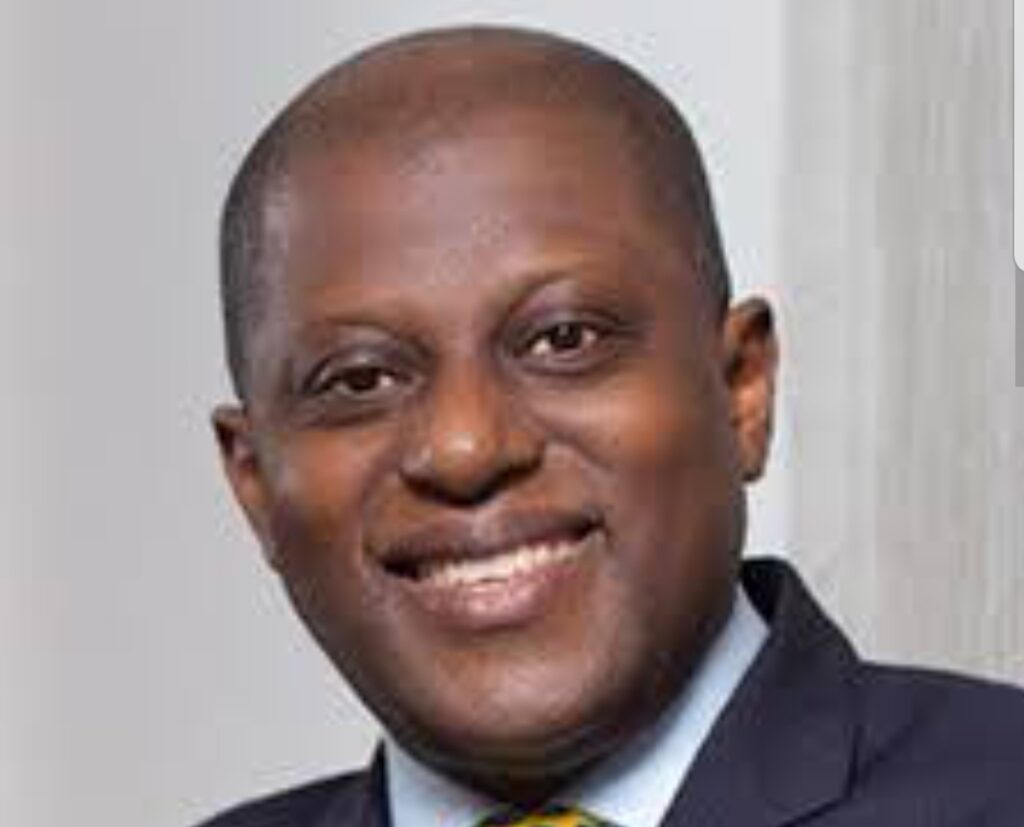

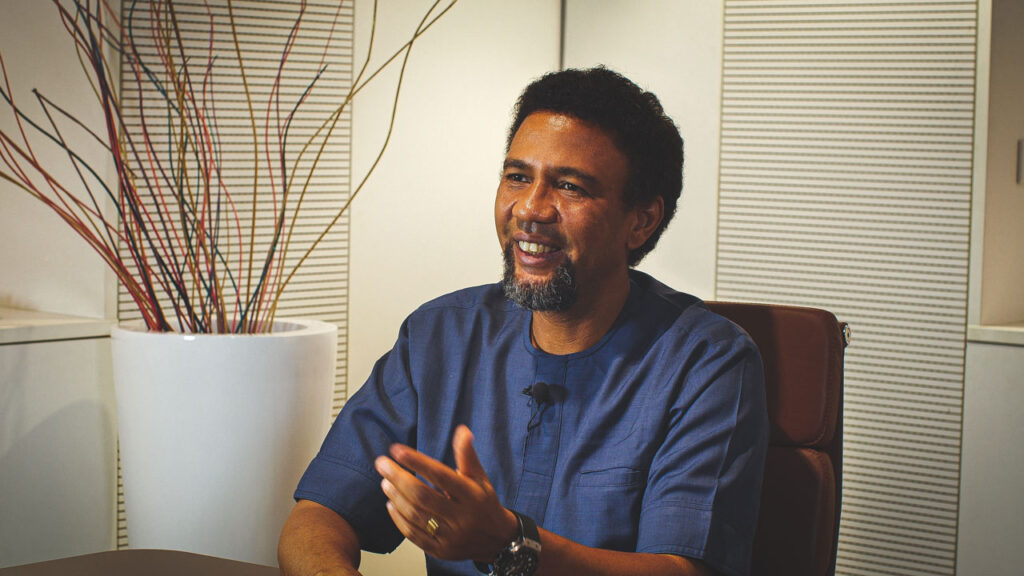
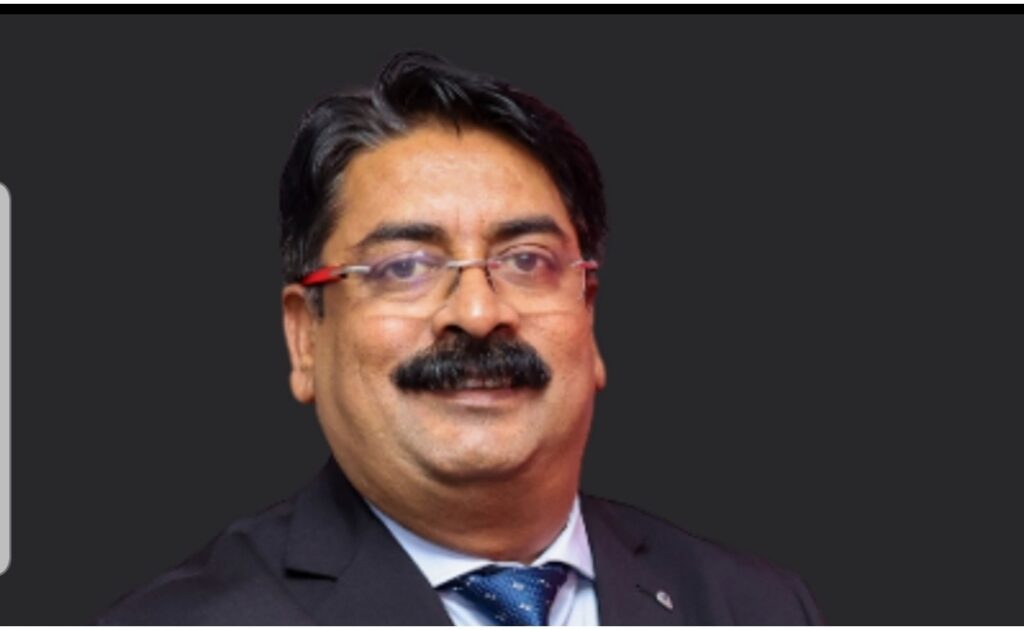
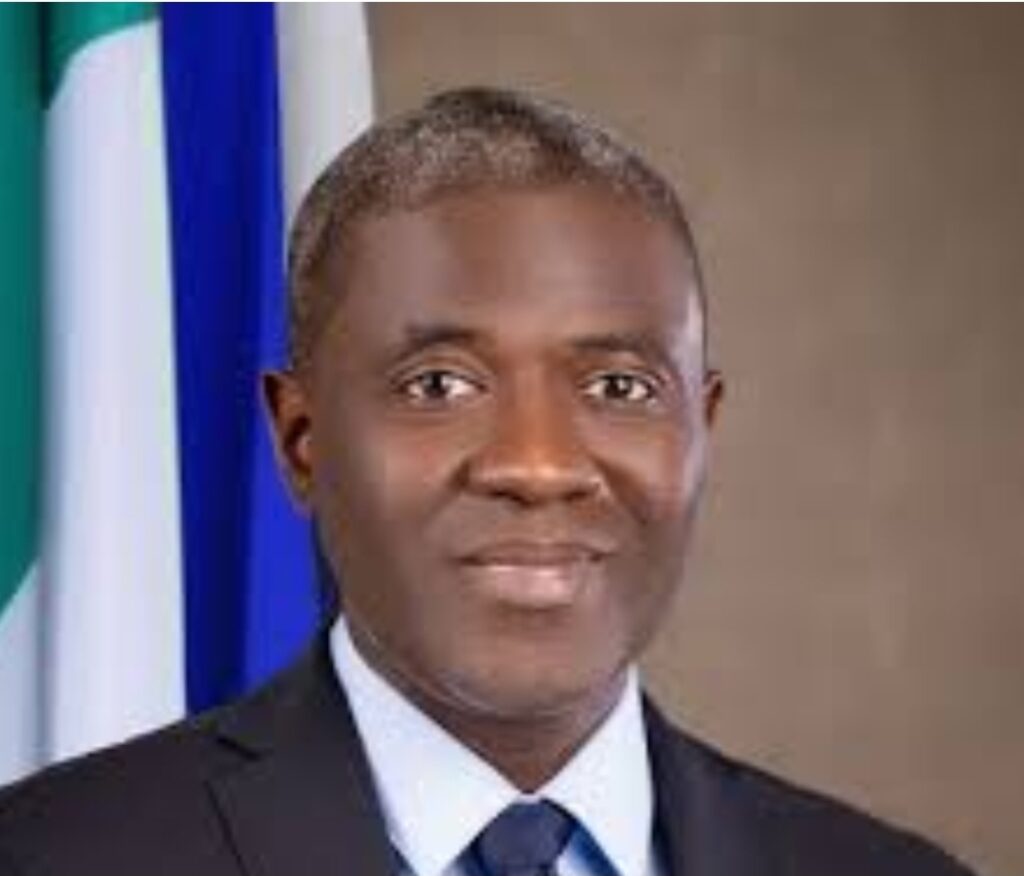
In a country where a mobile phone is often the only bank account, shopfront, and emergency contact a person owns, the sudden shutdown of airtime lending services has sent shockwaves through the social fabric of Nigeria.
Many Nigerians are currently struggling with the harsh reality of a vital lifeline being taken away, as telecommunications companies have been forced to suspend credit services that millions had become dependent on for critical calls when immediate funds were unavailable.
This crisis, stemming from a directive by the Federal Competition and Consumer Protection Commission (FCCPC) under the leadership of Mr. Tunji Bello, persists despite two clear court orders from Lagos and Abuja in April 2026 intended to halt the enforcement of new, restrictive lending regulations.
As the regulatory face-off continues to weaken an airtime credit market valued at an estimated N400 billion annually, effectively cutting off 156 million people, those close to the corridors of power insist that a solution is within reach if a specific group of influential figures chooses to act.
At the center of the storm is Mr. Tunji Bello, the Executive Vice Chairman and CEO of the FCCPC, whose agency introduced the Digital, Electronic, Online or Non-Traditional Consumer Lending Regulations 2025. While intended to protect consumers, the enforcement of these rules has instead paralyzed a crucial service.
However, insiders point out that the FCCPC does not operate in a vacuum and that a collaborative effort involving the nation’s financial and technical heavyweights is the only way forward.
This includes Mr. Olayemi Cardoso, the Governor of the Central Bank of Nigeria (CBN), whose expertise in monetary stability and the fintech landscape is essential to harmonizing lending rules that now bridge the gap between traditional banking and mobile telecommunications.
The operational side of the crisis rests with the titans of the industry: Mr. Karl Toriola, the CEO of MTN Nigeria Communications Plc; Dr. Mike Adenuga Jr., the legendary founder and Chairman of Globacom Limited; and Mr. Dinesh Balsingh, the CEO and Managing Director of Airtel Nigeria.
These leaders oversee the infrastructure that powers the lives of millions. Their involvement is paramount, as they represent the corporate side of a N400 billion ecosystem currently in jeopardy.
Yet, as these giants navigate the regulatory minefield, a conspicuous void has been noted in the silence of the primary regulator of the telecommunications sector.
Dr. Aminu Maida, the Executive Vice Chairman and CEO of the Nigerian Communications Commission (NCC), has maintained a mysterious silence throughout this face-off.
Insiders suggest that the NCC, as the statutory custodian of the telecom industry, must step forward from the shadows to collaborate with other agencies and ensure that regulatory overlaps do not result in the total disenfranchisement of Nigerian subscribers.
Providing the broader policy vision is Dr. Bosun Tijani, the Minister of Communications, Innovation and Digital Economy. Recently appointed as the Chair of the 2026 International Telecommunication Union (ITU) Council, Tijani is Nigeria’s primary envoy for the digital age.
His role is to ensure that local regulatory disputes do not derail the country’s progress toward a trillion-dollar digital economy. Working alongside him is Mr. Idris Alubankudi, the Special Adviser to the President on Technology and Digital Economy.
A low-profile figure with a massive private sector background in fintech, Alubankudi is widely regarded as the “Mr. Fix It” of the Presidency.
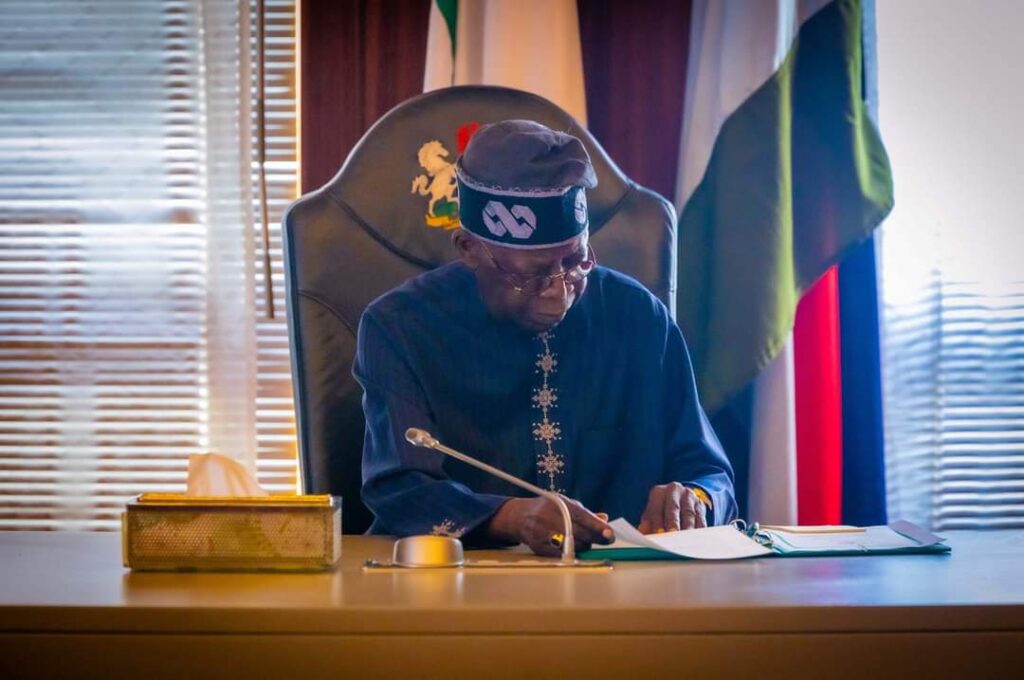
Ultimately, the overarching authority rests with President Bola Ahmed Tinubu. As the President and the Chief Campaigner for a better Nigeria for citizens, residents, and investors alike, his “Renewed Hope” agenda is predicated on the ease of doing business and digital inclusion.
The current shutdown stands in direct opposition to these goals, especially amid the rising cost of living that makes airtime credit a literal lifesaver for the vulnerable.
There is now an urgent need for these key figures—Bello, Maida, Cardoso, Toriola, Adenuga, Cruz, and Alubankudi—to work together under the President’s vision sources say.
By choosing collaboration over bureaucracy and, most importantly, obeying the rule of law by adhering to the recent court injunctions, insiders insist these influential leaders can restore the airtime lending services that millions of Nigerians so desperately need to keep their businesses running and their families connected.
Read Original …WATCH THE VIDEO HERE












Leave a Reply