
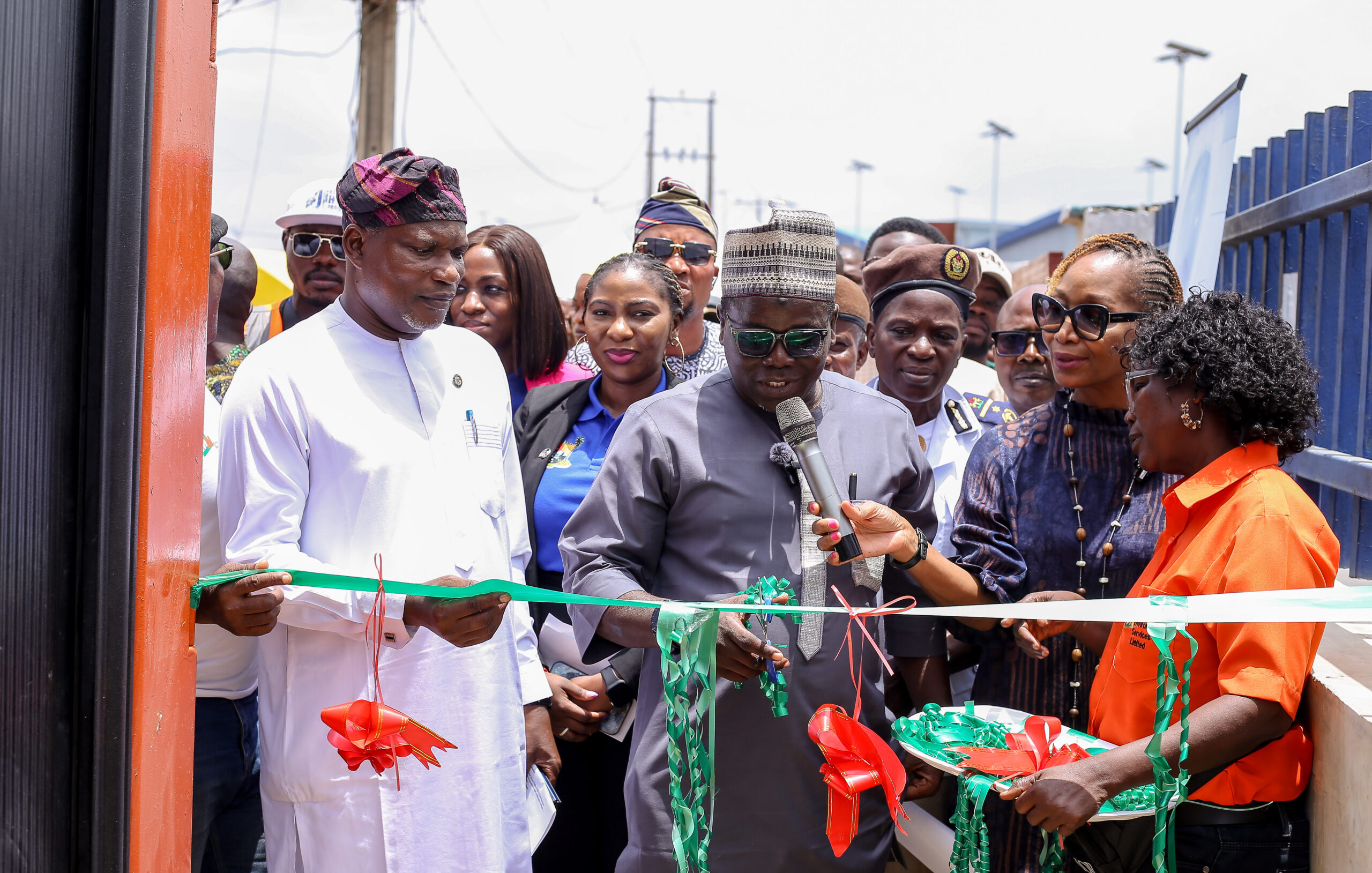
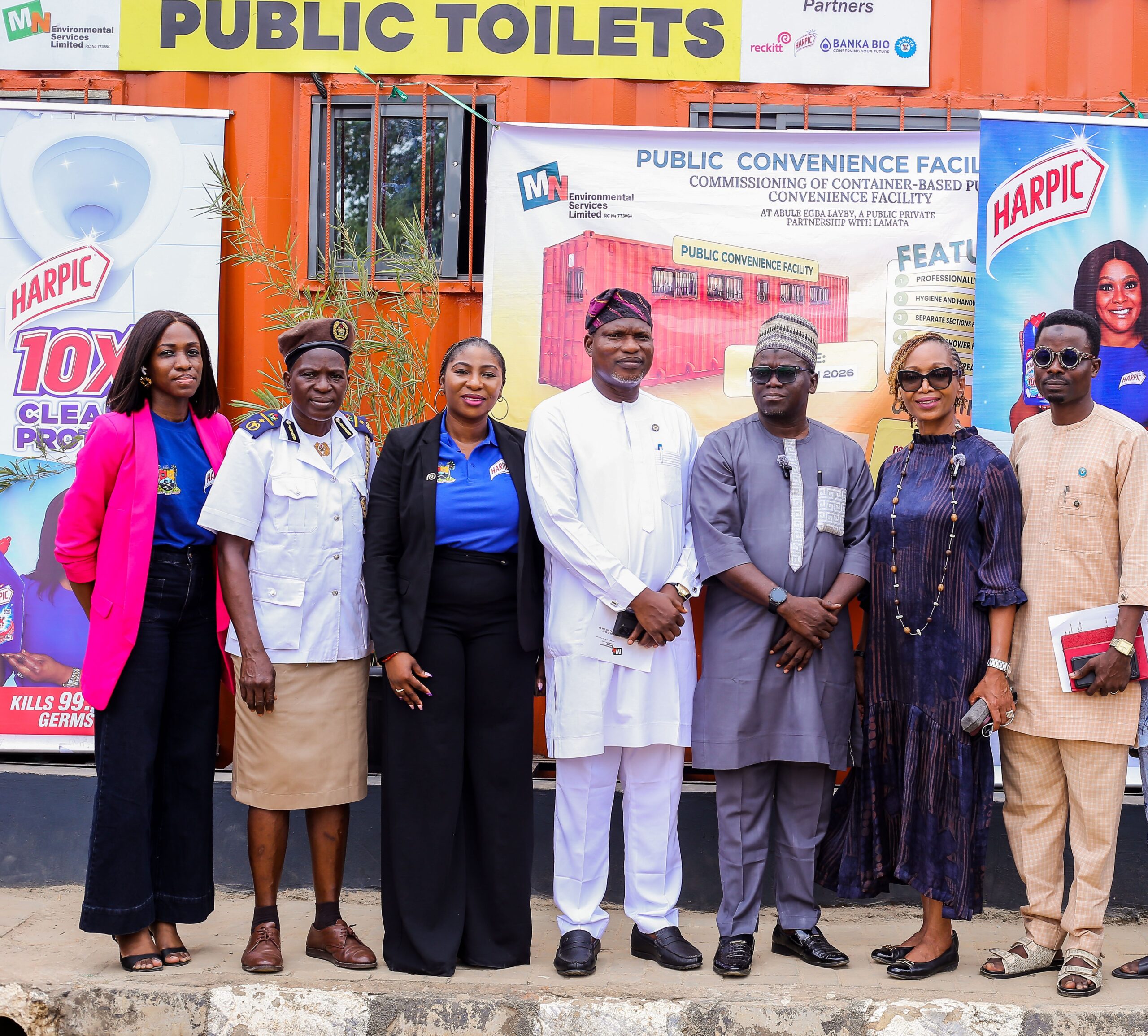
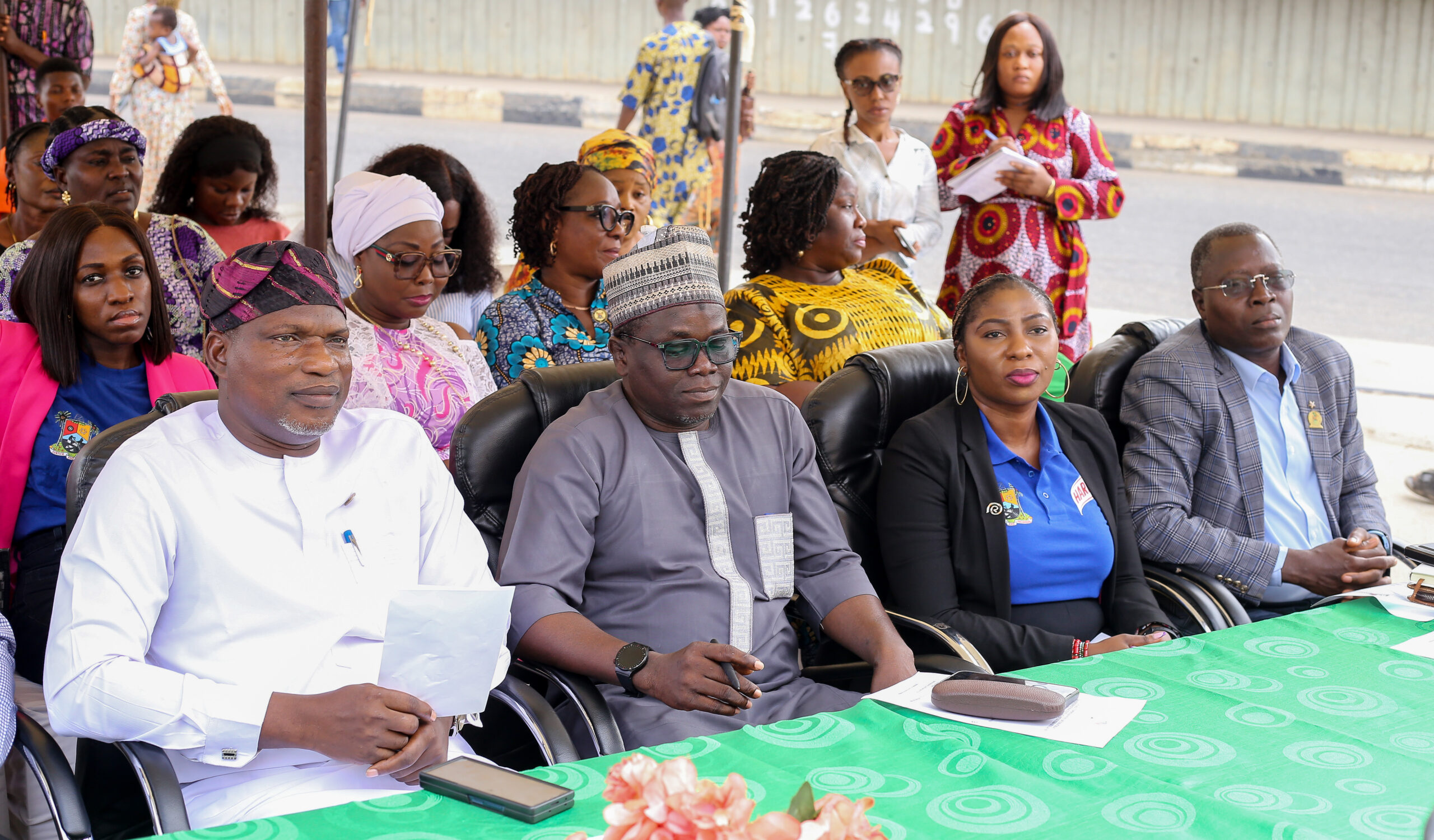
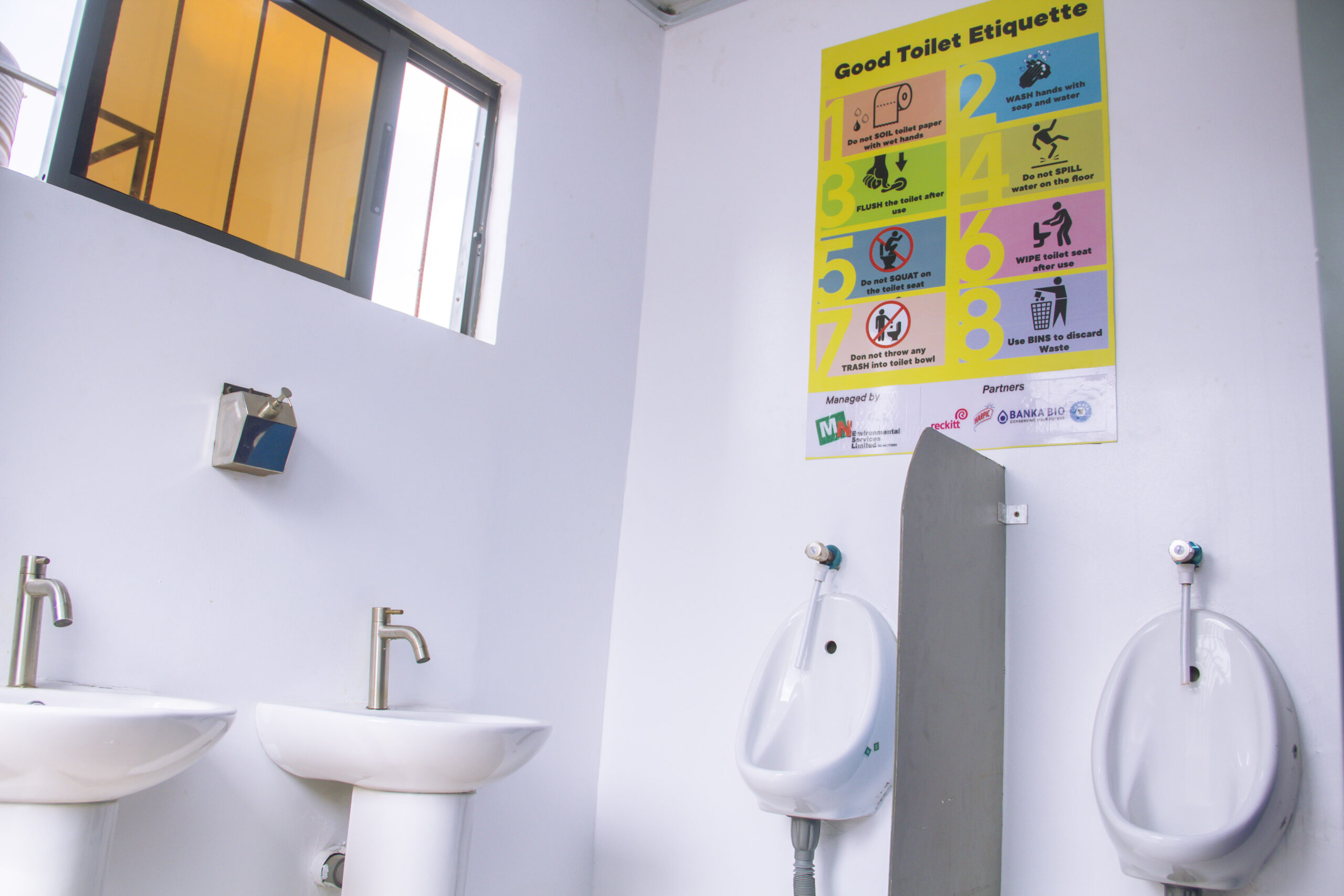
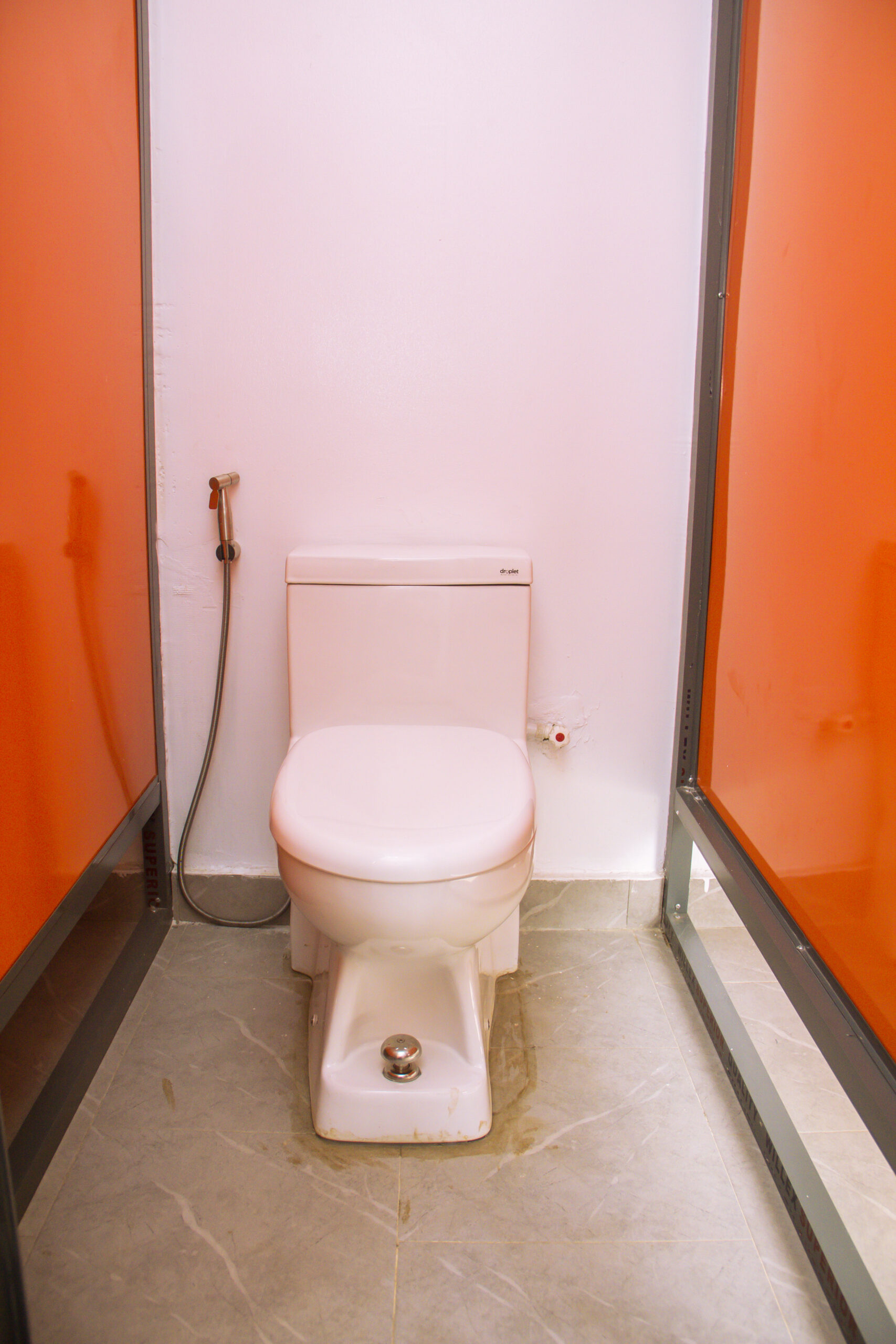
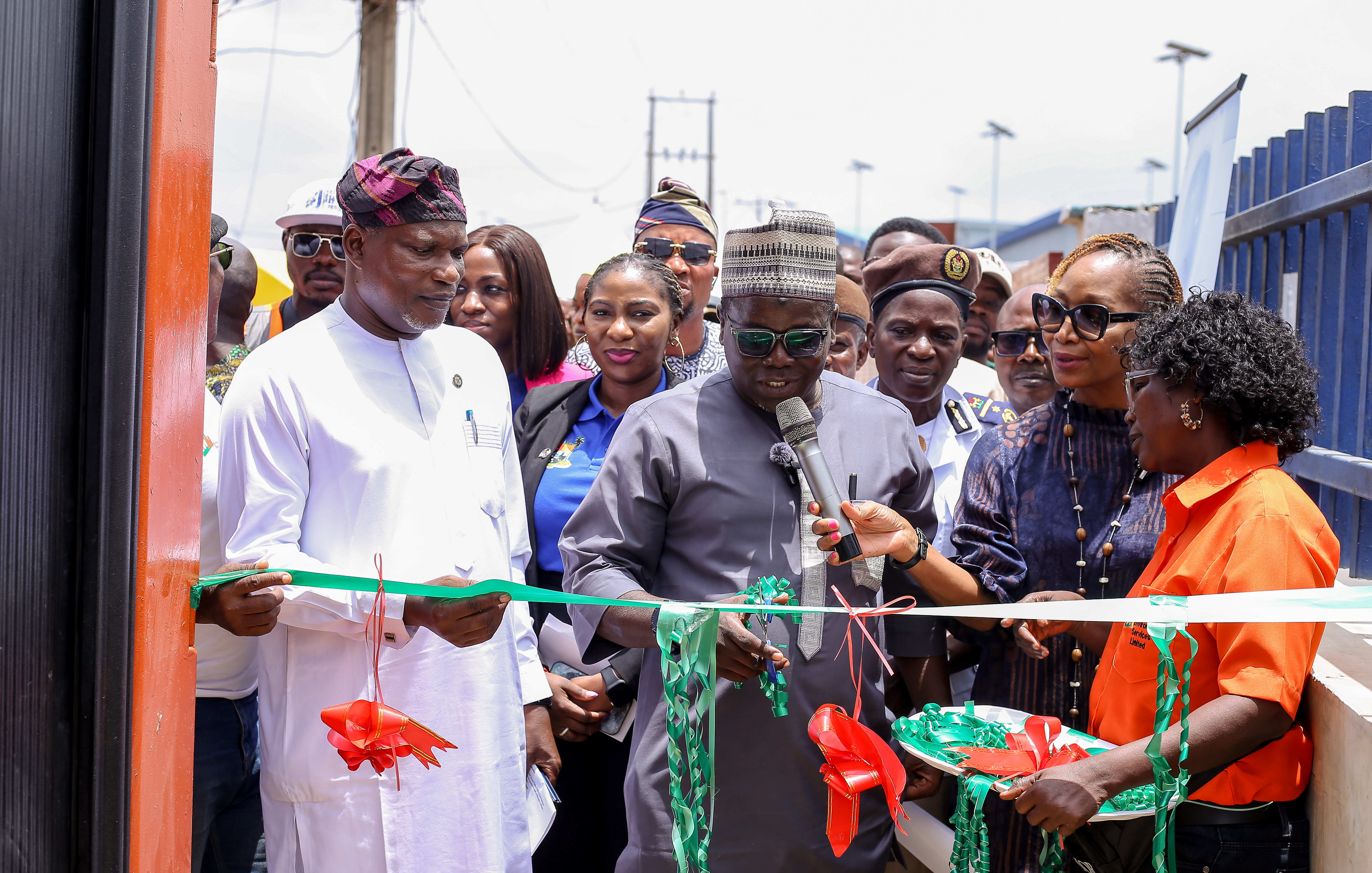
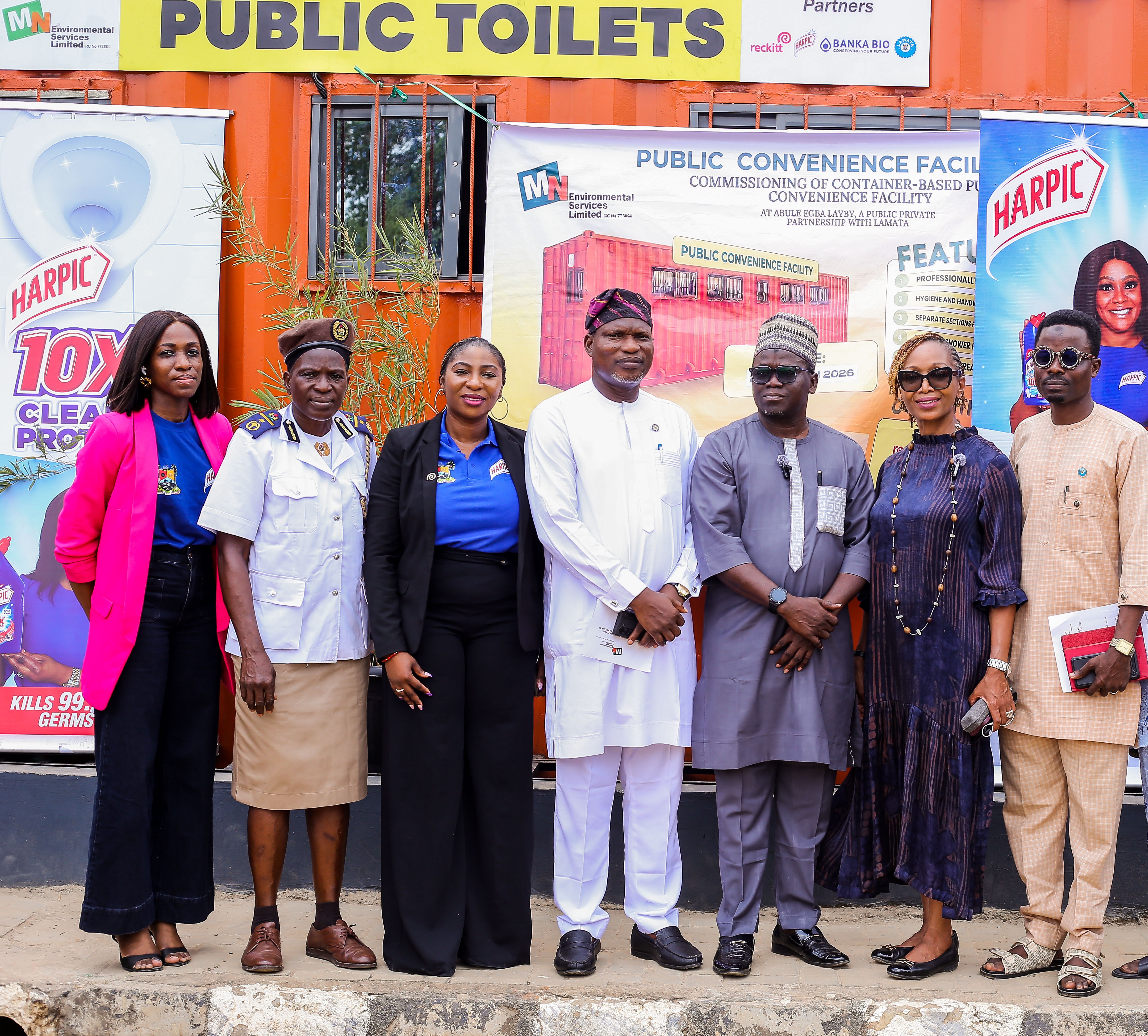
Reckitt Nigeria has announced the commissioning of a new public sanitation facility in Abule Egba, Lagos, built by MN Environmental Services, one of four health and hygiene enterprises in Nigeria from the 2025 cohort of the Reckitt Catalyst programme. The facility will serve over 30,000 commuters monthly, bringing critical Water, Sanitation, and Hygiene (WASH) infrastructure to one of Lagos’ busiest transit corridors.
Reckitt Catalyst is a five-year global programme launched to accelerate access to health and hygiene solutions worldwide. Since 2023 in Nigeria, it has supported 10 social entrepreneurs, provided mentorship and business training, and given out over N85 million naira in seed funding. The initiative emphasizes female and underrepresented founders, ensuring equitable opportunities for entrepreneurs who face systemic barriers in the ecosystem. Entrepreneurs in the programme also join a global community of practice across health, hygiene, and WASH sectors, gaining visibility and credibility for sustainable growth.
Nigeria continues to face a sanitation crisis of significant scale. Over 179 million Nigerians currently lack access to basic sanitation, and an estimated 46 million people still practise open defecation. In Lagos — the country’s most populous city — the challenge is acute: 70% of residents lack access to safely managed sanitation, while 65% lack basic hygiene services. Despite decades of intervention, the pace of new challenges continues to outstrip existing solutions.
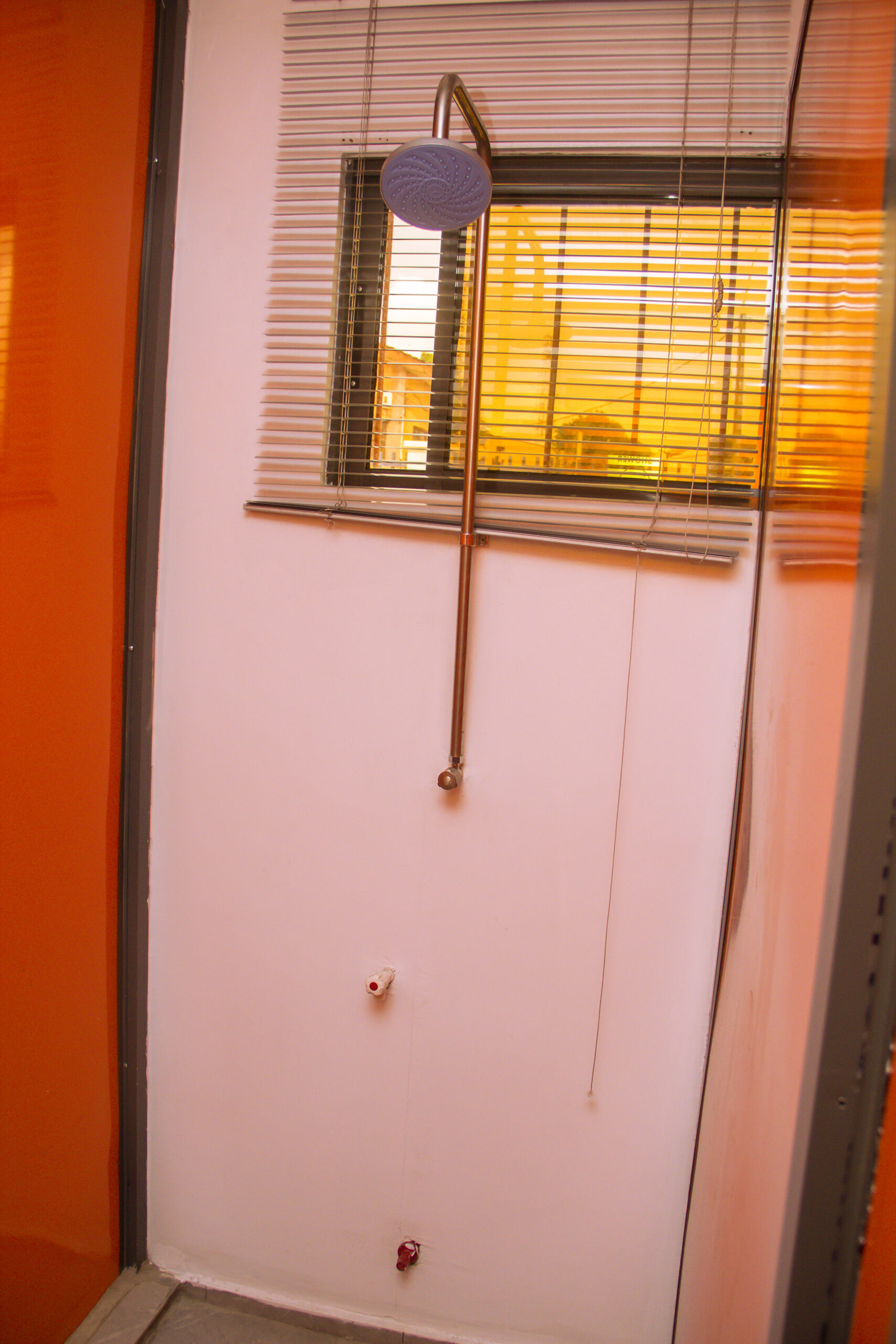
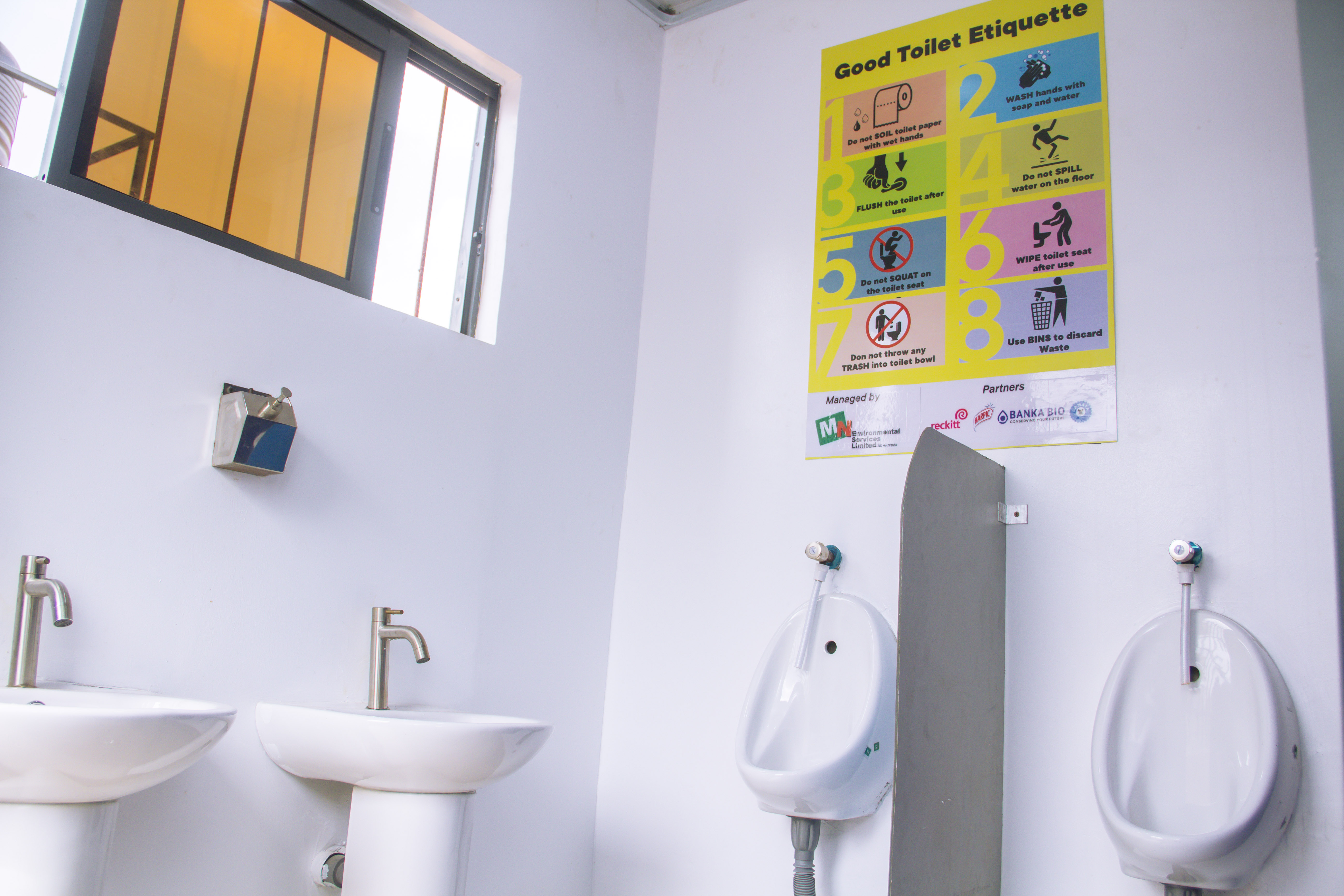
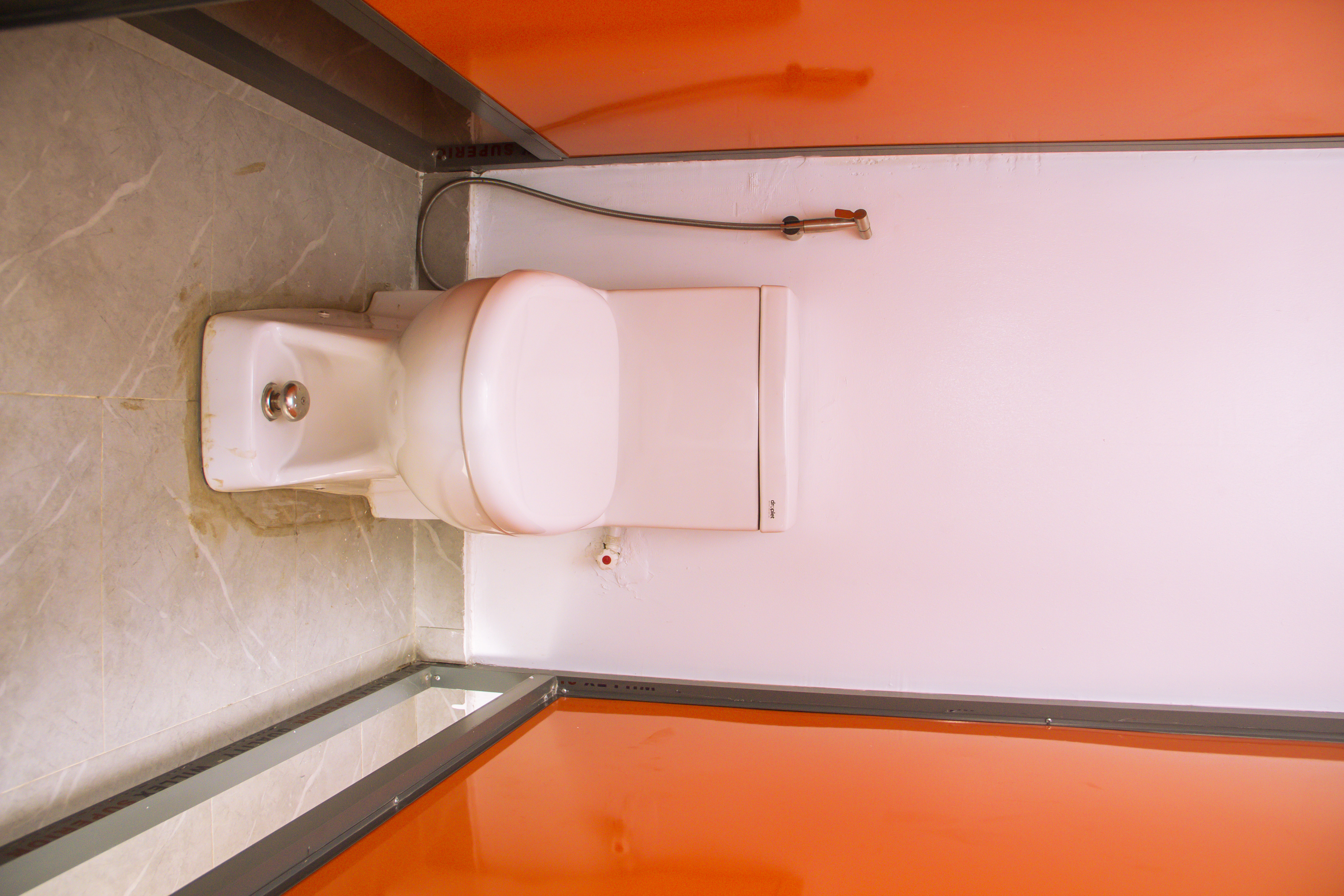
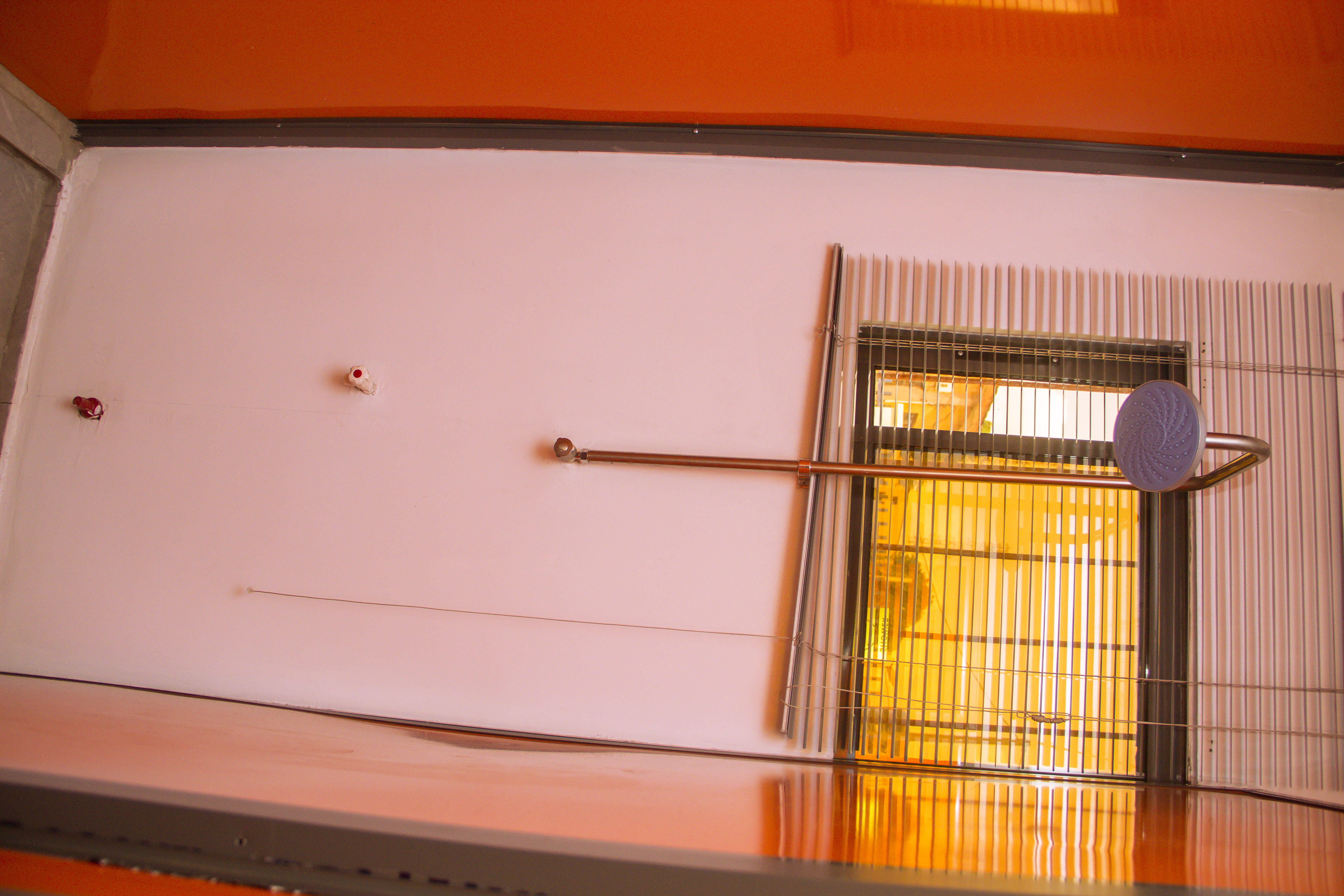
The Abule Egba facility offers a practical and scalable response to these realities. The facility is built with sustainability at its core, featuring a biodegradable waterless sanitation system, a modular design for flexible deployment across communities, and separate male and female toilets and shower facilities.
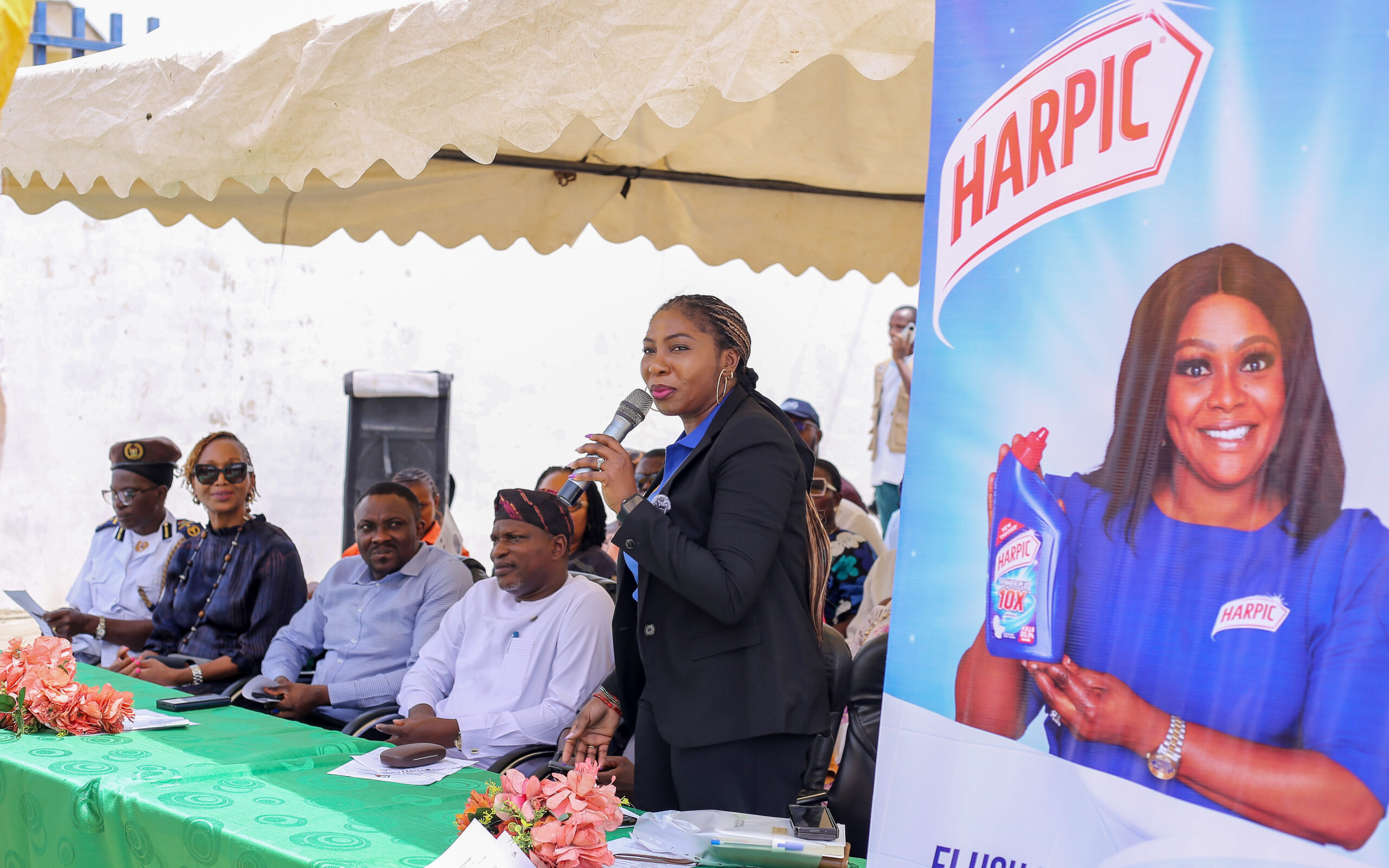
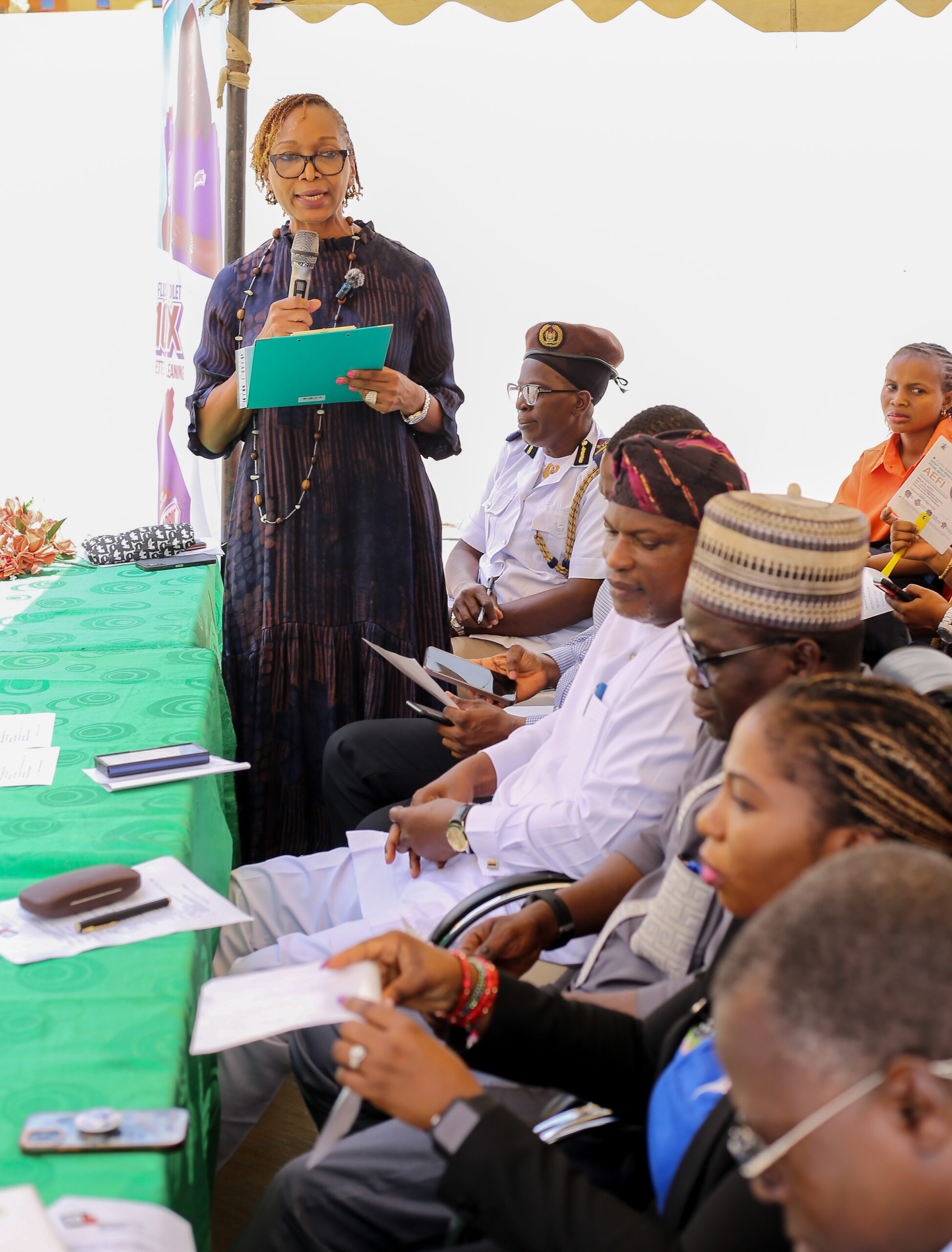
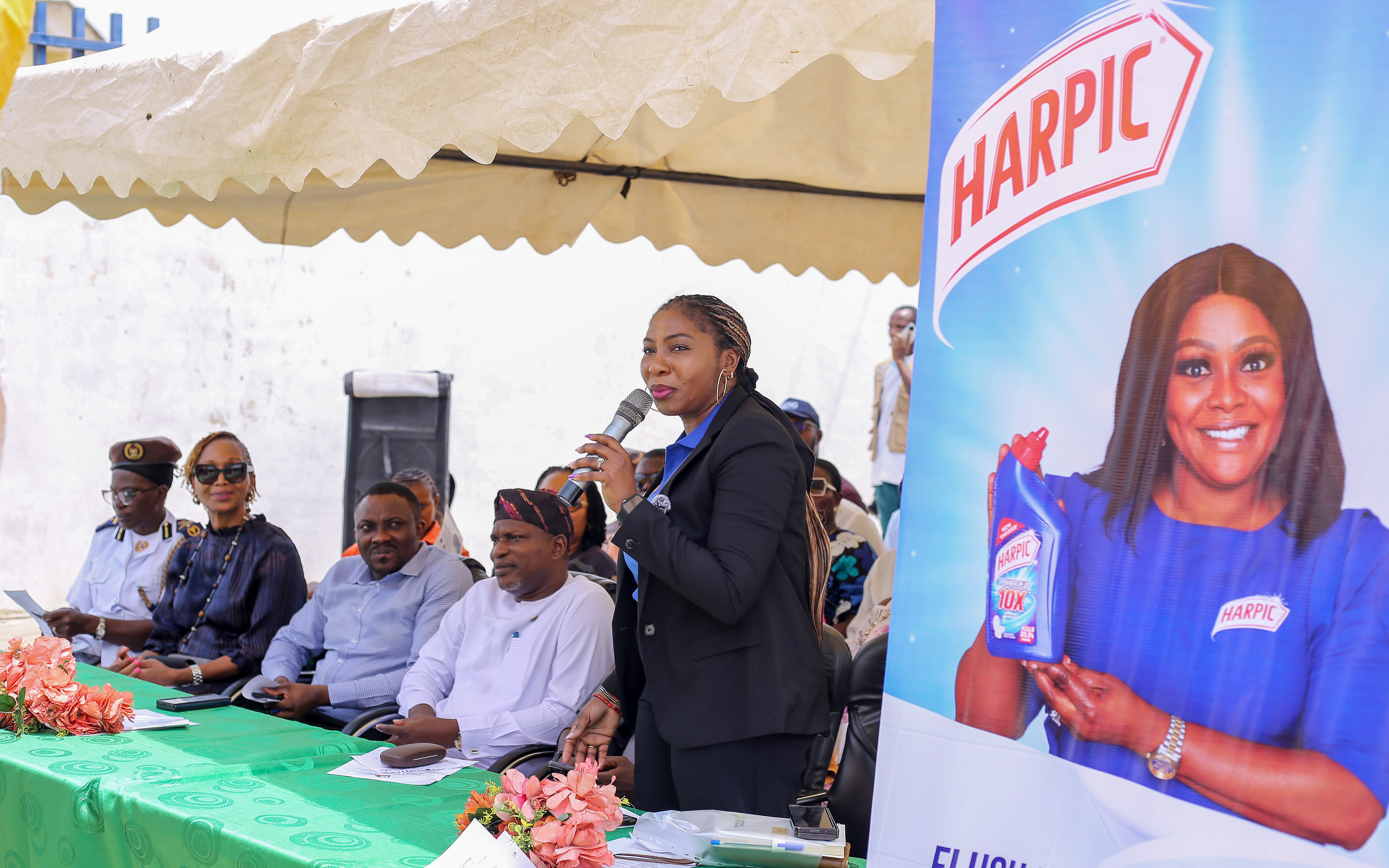
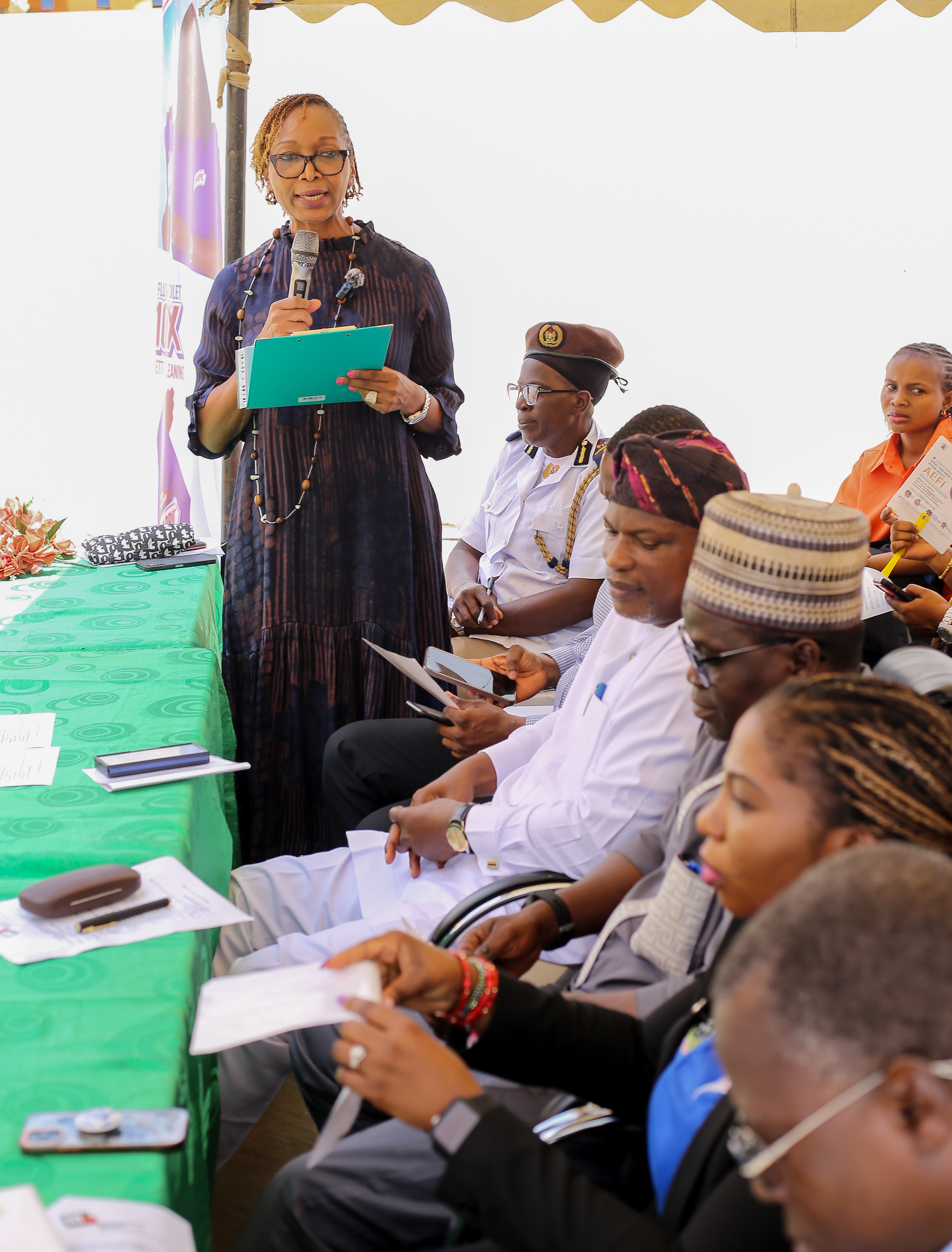
Speaking at the commissioning, Cassandra Uzo-Ogbugh, Head of External Communications, Media and Partnerships, Reckitt West and East Africa, said: “We launched the Reckitt Catalyst Programme to see projects exactly like this come to life. The fastest and most effective way to bring impact to underserved communities is to empower the people within those communities, those who understand the problem and know what solutions need to look like.” She added: “Through our power brand Harpic, Reckitt remains committed to expanding sanitation and hygiene access, reducing open defecation, and improving the lives of Nigerians. This facility is proof of what becomes possible when government, corporates, and local enterprises collaborate.”
Co-founder of MN Environmental Services, Jife Williams, highlighted the importance of sanitation “Access to clean and safe sanitation is a fundamental human right. This facility has been designed to provide a hygienic, accessible, and well‑managed environment for all users, and we are committed to ensuring its sustainability and proper maintenance.” She continued by talking on the importance of cross-sector partnerships in addressing Nigeria’s sanitation gaps “The project was delivered through a Public‑Private Partnership with the Lagos Metropolitan Area Transport Authority (LAMATA), there is no organisation, government agency or institution that can fight these challenges alone. It requires collaboration across all sectors.”
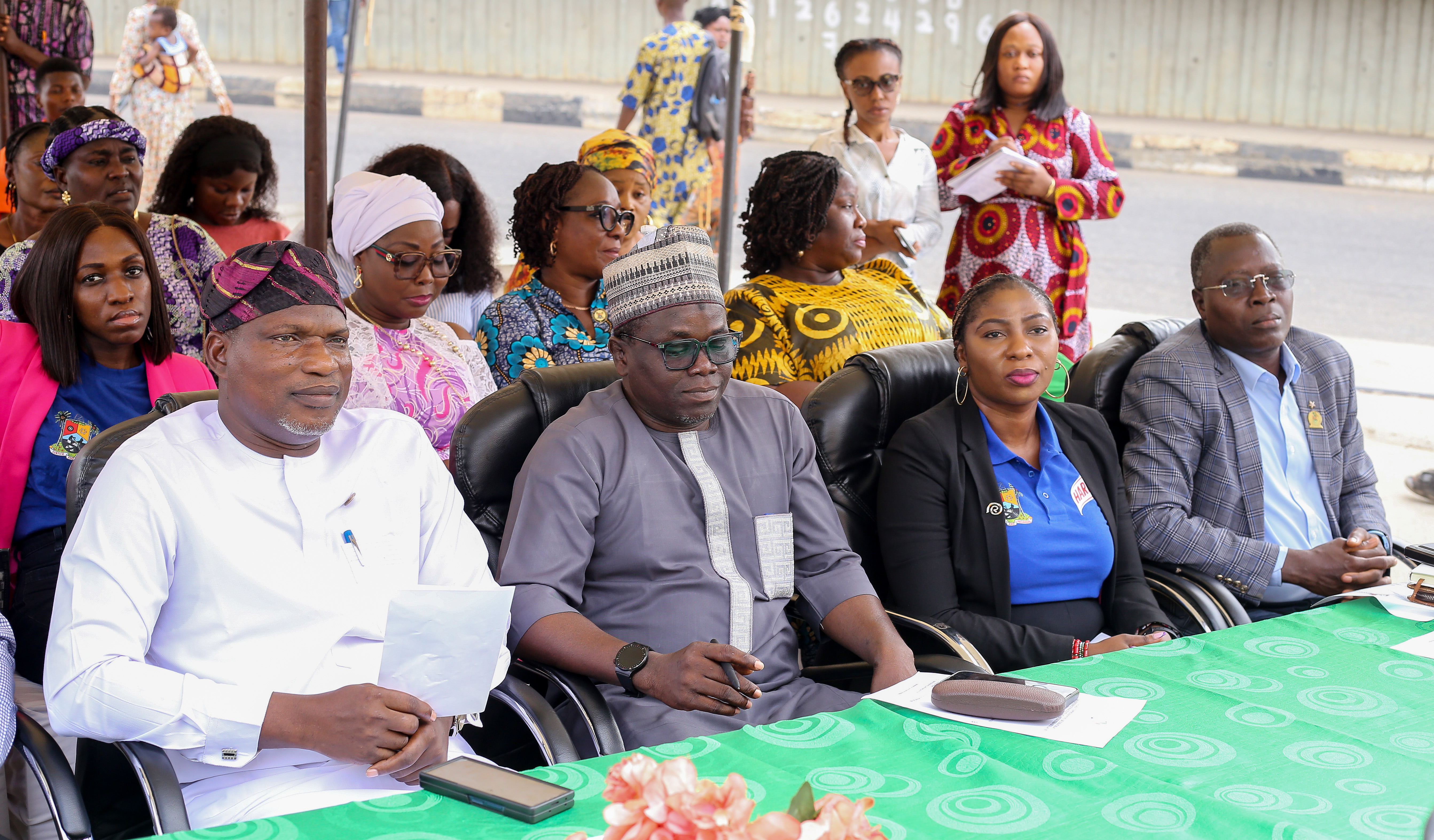
The commissioning event was witnessed by state dignitaries and community stakeholders, including Dr Hassan Sanuth, Director of Sanitation Services, Lagos State Ministry of Environmental Services & Water Resources; Hon Abiodun Ishola Ejigbadero, the Executive Chairman of Agbado Oke Odo Local Council Development Area, represented by his Vice Chairman, Hon Shobayo Kehinde; and other members of the Abule Egba community.
The successful commissioning marks a meaningful milestone for the Reckitt Catalyst programme in Nigeria, demonstrating that targeted, locally rooted investment, guided by global health goals, is an underutilised but highly effective model for driving lasting community impact.
Read Original …WATCH THE VIDEO HERE













Leave a Reply