
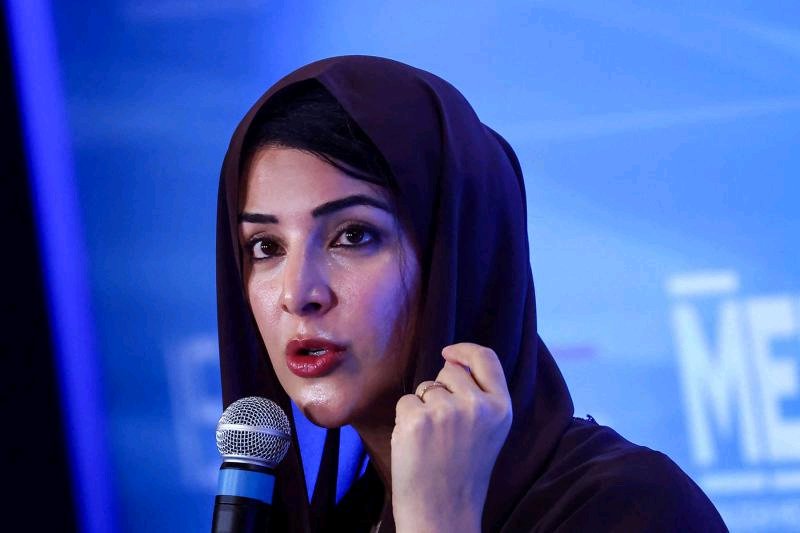
According to the Jerusalem Post, as fresh diplomatic talks between the United States and Iran prepare to get underway in Islamabad, the United Arab Emirates has delivered one of its strongest warnings yet about the future of any potential agreement with Tehran.
Reem Al Hashimy, the UAE’s minister of state for international cooperation, said any deal must be built on more than short-term fixes, stressing that the region cannot afford another cycle of temporary agreements that fail to prevent renewed tensions.
“There’s no point in kicking the can down the road when we’re just going to end up where we started, maybe even with a more emboldened regime that wants to continue to hurt its neighborhood,” she told ABC News’ ABC News This Week.
Her comments reflect deep concern across parts of the Gulf, where officials argue that previous negotiations with Iran have not produced lasting stability.
Al Hashimy pointed to the UAE’s experience at the center of regional tensions, saying the country has faced repeated direct threats since the conflict escalated. She contrasted the UAE’s development model with Iran’s strategic choices.
“It’s very clear that they’ve chosen to go down this path because we are everything that they’re not. We’re a model of economic prosperity,” she said. “We used our oil wealth to build an economic powerhouse. They used their wealth for nuclear programs that are nefarious, for missiles, drones, proxies.”
Her remarks come as instability in the Strait of Hormuz continues to shake global energy markets, pushing up oil prices and increasing costs for transport and food worldwide. The waterway remains one of the most sensitive chokepoints in global trade.
Al Hashimy also voiced support for stronger diplomatic pressure on Tehran, aligning with calls from U.S. President Donald Trump for Iran to limit its influence over the strategic shipping route.
Canada Partner Visa – Apply
Make your move to Canada simple: Our step-by-step immigration journey awaits.
TheGadgetLover
by TaboolaSponsored Links
“Being able to weaponize the straits, is a really serious tool that the Iranians have taken forward, which is to hurt cities from Des Moines to Delhi in spiking up fuel prices and spiking up food prices,” she said. “They don’t have the right to do that.”
Despite ongoing negotiations, she warned that rebuilding trust will take significant change from Iran’s leadership.
“We are not fools,” Al Hashimy said firmly. “Right now, they’re going to have to really step up in a significant way for us to be able to believe what they say again.”
As talks resume, Gulf leaders are making clear that any agreement will be judged not only on signatures, but on whether it can truly hold back further escalation in one of the world’s most volatile regions.







Leave a Reply