
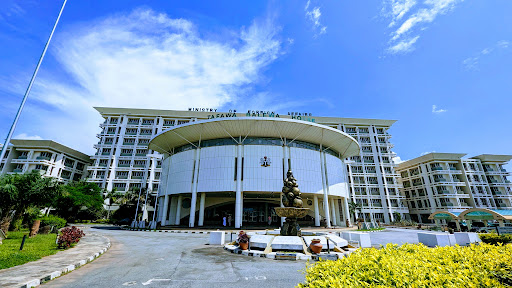
The Federal Government has issued a stern warning to Nigerians falsely presenting themselves as ambassadors, stressing that the title is not for sale and can only be granted by the President.
Speaking in Abuja on Friday, March 17, the spokesperson for the Federal Ministry of Foreign Affairs Nigeria, Kimiebi Ebienfa, said individuals engaging in such acts risk prosecution, describing the trend as both illegal and damaging to Nigeria’s international image.
The warning comes as the government prepares to deploy a new batch of ambassadors, following diplomatic clearances from host countries. Ebienfa revealed that more than 25 countries have already granted approval, known as agrément, for Nigeria’s ambassador-designates.
He added that a three-day induction programme is scheduled for April 27 to 29, after which the envoys will be deployed to their respective missions. “We have received more than 25 agreements from countries where ambassador designates have been sent… deployment will begin immediately after the exercise,” he said.
However, the ministry expressed concern over a growing number of individuals and organisations allegedly selling fake ambassadorial titles to unsuspecting Nigerians. These schemes reportedly promise diplomatic privileges such as passports, special airport access, and immunity abroad.
Ebienfa made it clear that only the President, as Commander-in-Chief, has the authority to appoint ambassadors, warning that any other claim amounts to impersonation. “Ambassadorial titles are not conferred with the payment of money or subscription to membership in non-governmental organisations,” he said.
He disclosed that some offenders have gone as far as presenting themselves to foreign missions and international organisations as official representatives of Nigeria, causing embarrassment to the country.
The ministry also confirmed reports of fake diplomatic passports, identity cards, and cloned diplomatic vehicle number plates linked to such activities. Ebienfa said authorities are now working with security agencies, including the Nigerian Immigration Service and the police, to investigate and prosecute those involved.
He further clarified that while individuals may serve as brand ambassadors for companies, such roles do not grant them the legal right to use the title “Ambassador” in any official or diplomatic capacity.
“You can be a brand ambassador for a company, but you cannot attach the title of ambassador to your name in a way that suggests diplomatic authority,” he said. The ministry reiterated its commitment to protecting Nigeria’s diplomatic integrity, warning that any act capable of bringing the country into disrepute will not be tolerated.













Leave a Reply