
| Image:Facebook |
Nigeria’s entertainment industry is increasingly becoming a launchpad into politics, as more public figures transition from screen fame to electoral ambition ahead of the 2027 general elections.
A growing number of celebrities are now contesting legislative positions, reshaping how political campaigns are run and how candidates connect with voters.
Traditionally dominated by career politicians, Nigeria’s political space is witnessing a new wave of entrants who are leveraging fame, social influence, and massive fanbases to gain visibility.
From Nollywood actors to socialites and entertainment entrepreneurs, these individuals are attempting to convert popularity into political power at both federal and state levels.
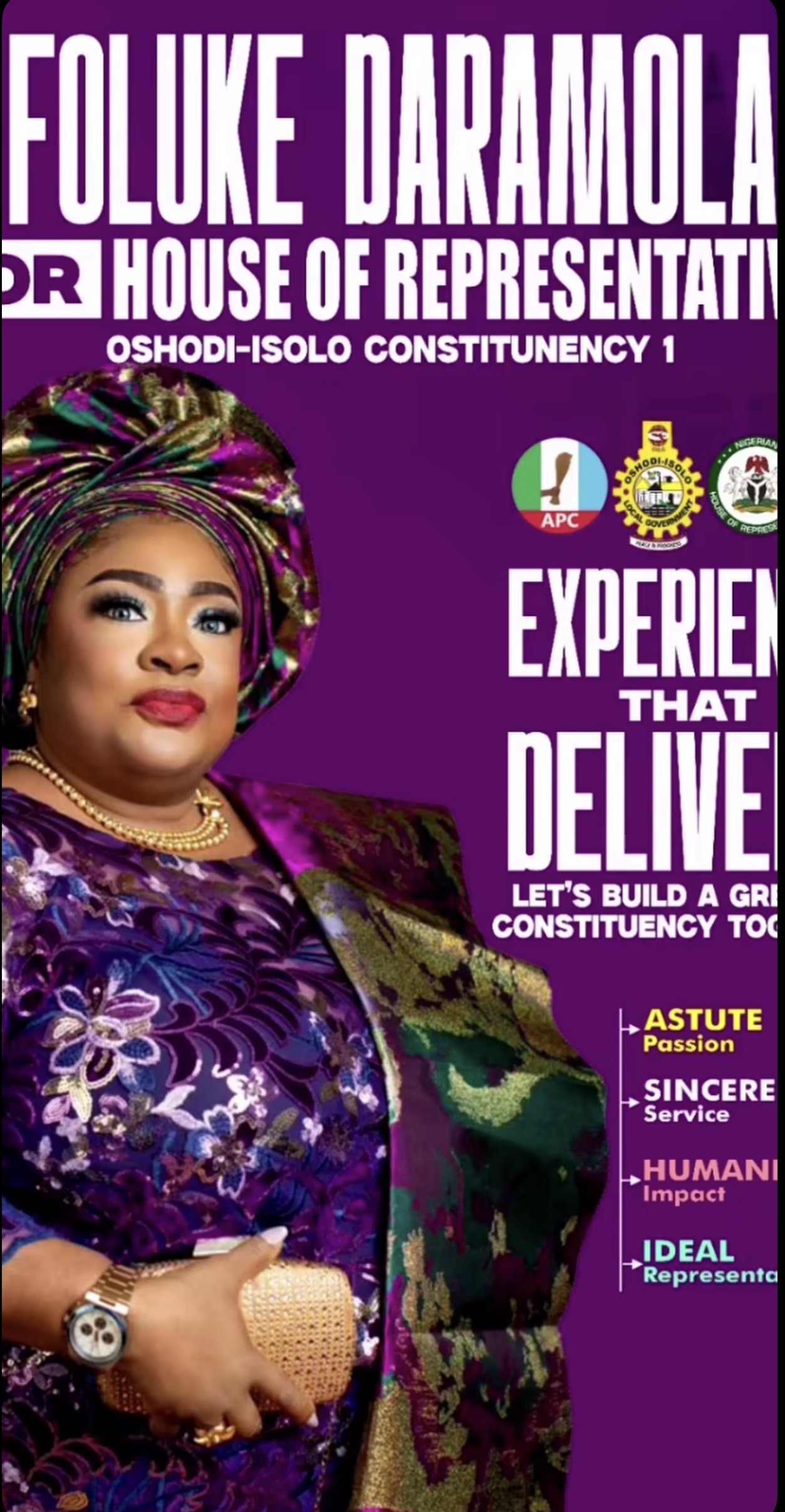
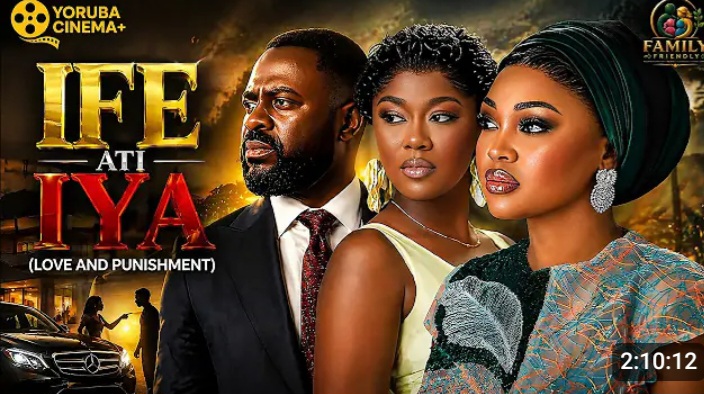
Among the most prominent names in this trend is veteran actress Foluke Daramola-Salako, who is contesting under the All Progressives Congress (APC) for the Oshodi-Isolo Federal Constituency 1 seat in the House of Representatives.
With years of experience in advocacy and social causes, she has positioned herself as a grassroots-focused candidate.
Her campaign centres on community development, workers’ welfare, and protection for vulnerable groups, reflecting her long-standing involvement in social activism beyond entertainment.
In Anambra State, Nollywood action star Zubby Michael is also making headlines with his political ambitions. Running under the African Democratic Congress (ADC), he is seeking to represent the Nnewi North/Nnewi South/Ekwusigo Federal Constituency.
Unlike traditional politicians who rely heavily on party structures, Zubby has adopted a more modern campaign strategy driven by social media engagement and youth mobilisation.
His popularity among younger Nigerians has become a major talking point, as observers watch to see whether online influence can translate into electoral success at the grassroots level.
Another familiar face, actor Rotimi Makinde, is attempting a return to legislative politics. Contesting under the APC in Osun State for the Ife Federal Constituency seat, Makinde brings a unique advantage of prior experience in the National Assembly.
His campaign combines entertainment recognition with legislative background, giving him an edge over first-time contenders trying to break into the political space.
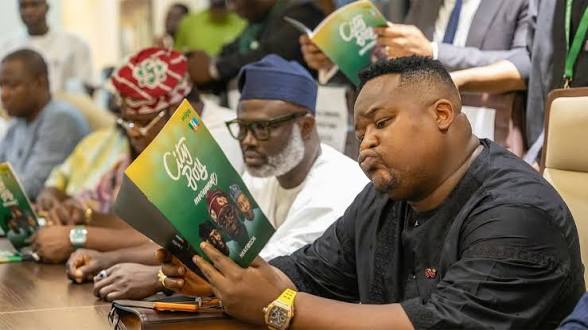
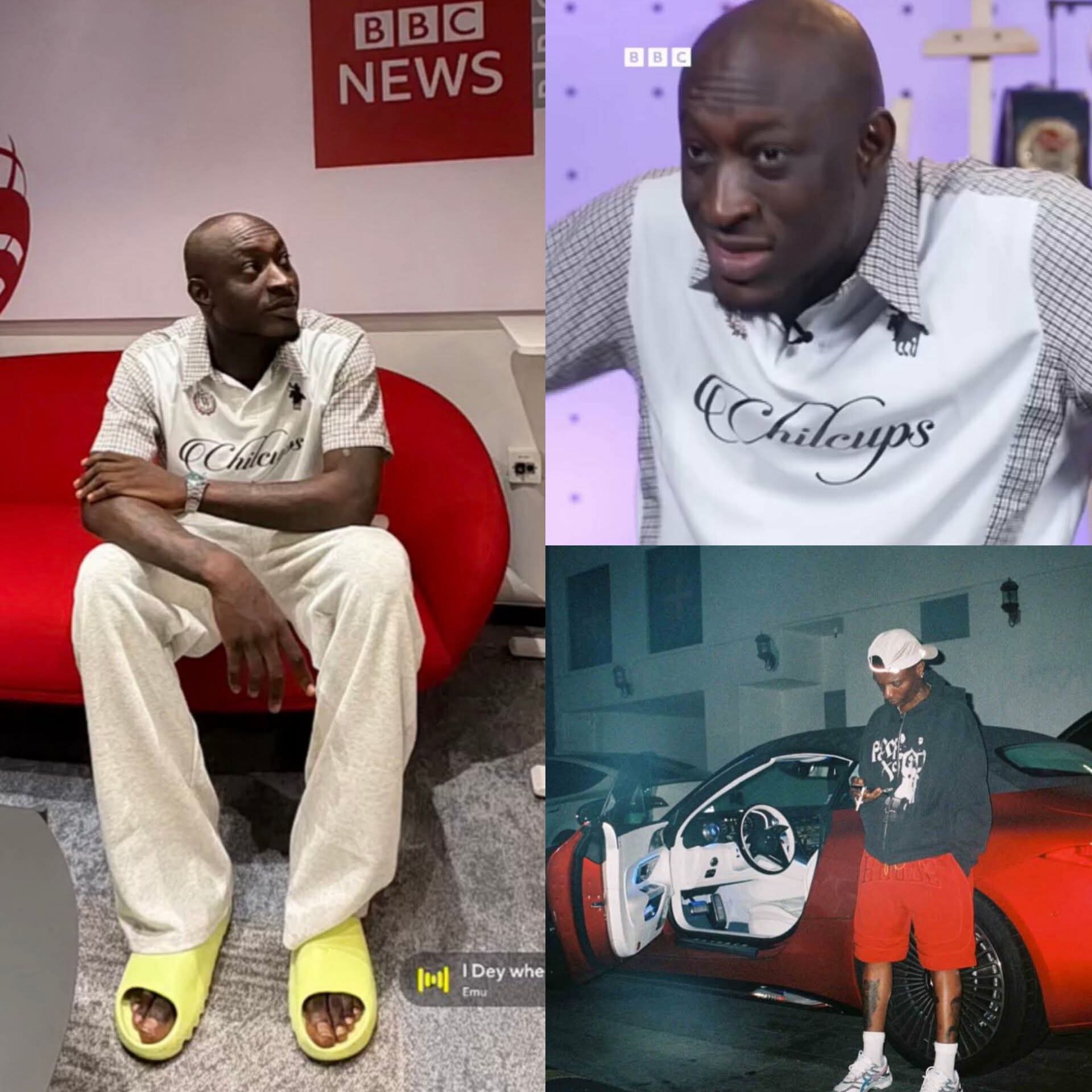
The trend extends beyond Nollywood actors. Prominent nightlife entrepreneur Cubana Chief Priest has also shown interest in political participation.
Known for his strong social media presence and influence in Nigeria’s entertainment and lifestyle scene, he is reportedly building political structures around the Orsu/Orlu/Oru East Federal Constituency in Imo State.
However, his political journey highlights a recurring challenge for celebrity candidates translating online popularity into real political acceptance. While he enjoys massive visibility, he has also faced criticism from some political stakeholders who question the depth of his grassroots engagement.
Similarly, businessman Ike Iyiegbu, popularly known as Ike Cubana, has declared his intention to contest for the House of Representatives seat representing Idemili North and South Federal Constituency under the All Progressives Grand Alliance (APGA). His entry adds to the growing influence of business and entertainment families in Nigerian politics, as he attempts to build support across party lines and local communities.
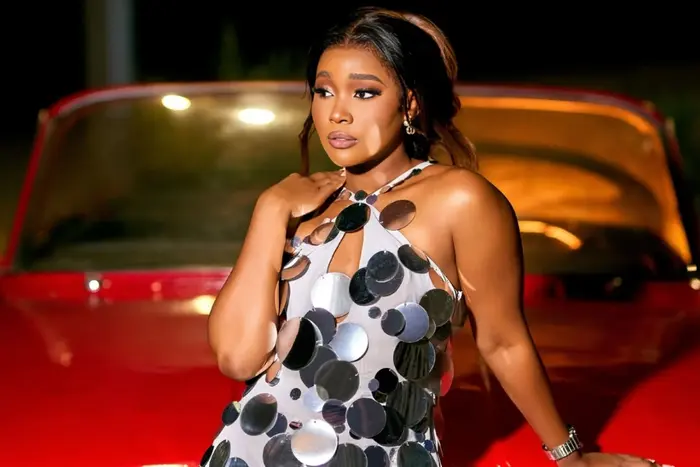
Adding another dimension to this trend is Damilola Marshal, daughter of Fuji music legend K1 De Ultimate. She has successfully passed screening under the APC to contest for the Surulere Constituency II seat in the Lagos State House of Assembly.
With a background in law and public service, she blends professional experience with family influence. Her campaign focuses on youth inclusion, women empowerment, and political participation, especially among younger voters in Lagos.
This growing wave of celebrity involvement in politics reflects a broader shift in Nigeria’s democratic landscape. Public figures are no longer satisfied with endorsements or campaign appearances alone; many now want direct political authority.
The rise of social media has also amplified their influence, giving them platforms to communicate directly with voters without relying solely on traditional media.
However, political analysts argue that fame alone may not guarantee electoral victory. Nigeria’s political system remains deeply rooted in party structures, grassroots mobilisation, and local alliances. While celebrity candidates bring attention and excitement to campaigns, they must still navigate complex political realities to succeed at the polls.
As the 2027 elections approach, the performance of these celebrity aspirants will serve as a major test of whether popularity can truly transform into political power in Nigeria’s evolving democracy.
#ViralContent
#ExclusiveUpdate

Leave a Reply