
| Image:X |
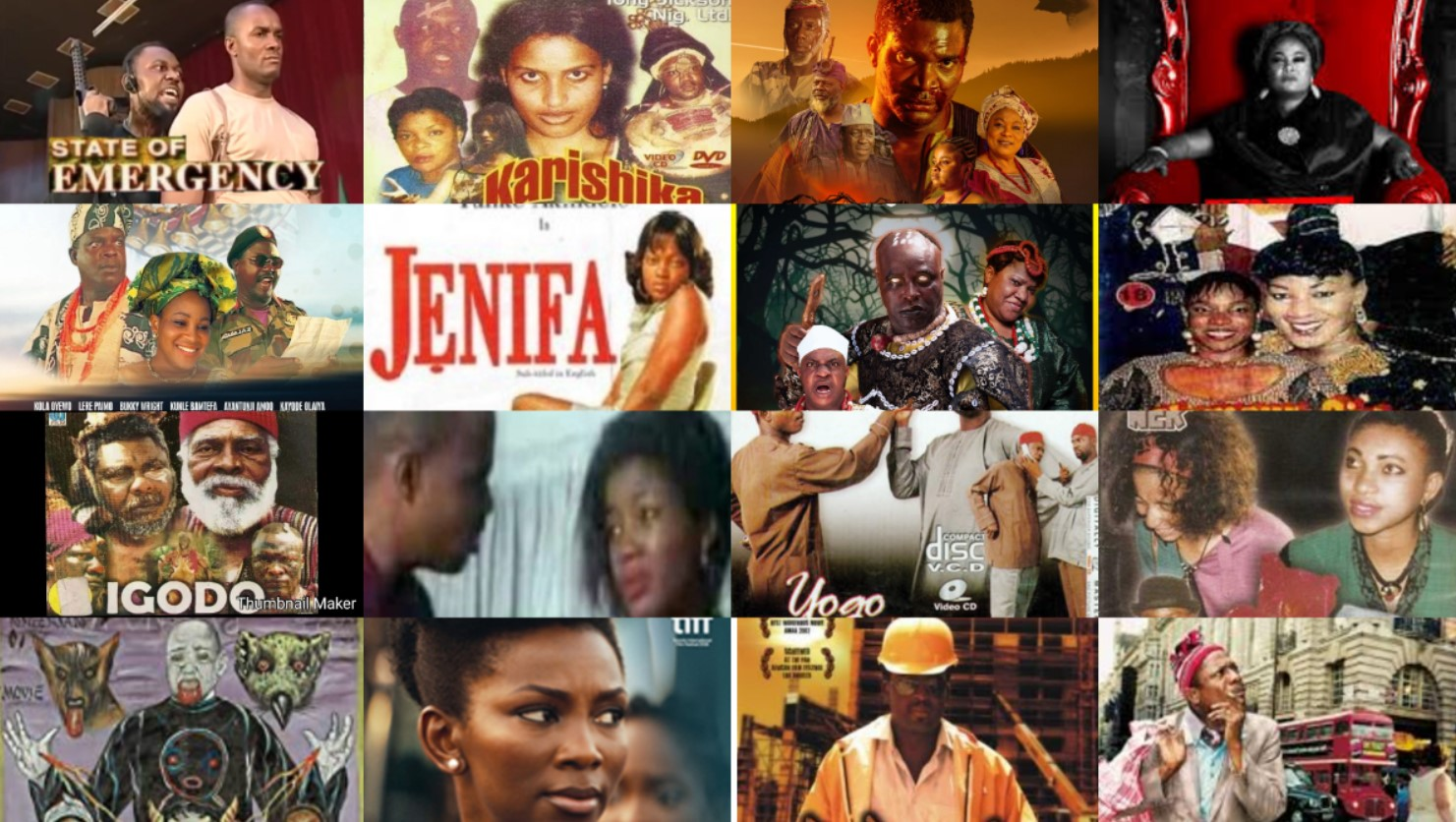
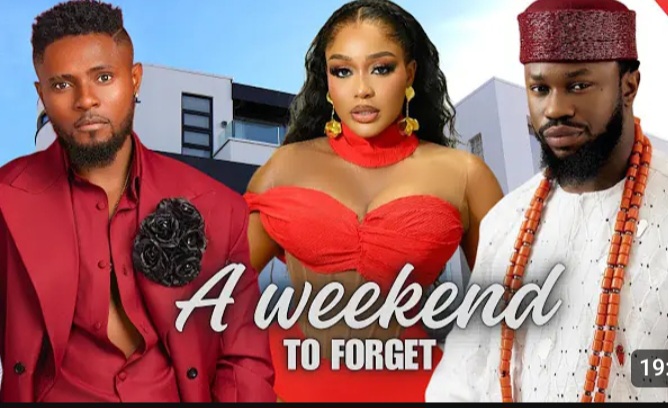
In five years, Nigeria’s film industry Nollywood will probably feel both familiar and completely different at the same time. It won’t suddenly turn into Hollywood overnight, and it won’t lose the raw, street-level storytelling that made people fall in love with it in the first place.
But the edges will be sharper, the business more structured, and the audience expectations a lot higher.
Right now, Nollywood is already in a transition phase. You can see it in the kind of stories being told, the way streaming platforms are quietly reshaping distribution, and how younger filmmakers are thinking less about “just making a movie” and more about building brands, franchises, and global reach. In five years, that shift will likely be impossible to ignore.
One of the biggest changes will be how films are financed and released. Traditional “direct-to-DVD” thinking is already fading, and in its place, you’ll see more structured funding from streaming platforms, private investors, and co-productions with international studios.
Platforms like Netflix and Amazon have already opened the door, but by then, local platforms and stronger African streaming services will likely be competing seriously for original Nigerian content.
Storytelling will also evolve. Today’s Nollywood already leans heavily on romance, family drama, comedy, and crime stories, but in a few years, expect more genre experimentation.
Think psychological thrillers, sci-fi ideas rooted in African mythology, political dramas that feel more global, and even limited series formats that allow deeper character development.
The “one movie, one story, done” approach will slowly give way to long-form storytelling that keeps audiences hooked over time.
Technically, the gap between Nollywood and global film industries will continue to shrink. Better sound design, stronger cinematography, and more intentional post-production work will become standard rather than luxury.
The audience is already more visually aware than before, thanks to global streaming exposure, so filmmakers won’t have much room for shortcuts anymore.
But perhaps the most interesting shift will be the audience itself. Nigerian viewers are becoming more critical, more vocal, and more exposed to global content.
That means mediocrity will be harder to hide. Movies will either connect strongly or get rejected quickly online. Social media will continue to act as both a critic and a marketing engine, sometimes making or breaking films within days of release.
We’ll also likely see a stronger export identity forming around Nollywood stars. Actors and directors will not just be “popular in Nigeria” but increasingly recognized across Africa and beyond. Collaborations with South African, Kenyan, Ghanaian, and even Western creatives will become more routine rather than special events.
Still, the heart of Nollywood won’t change much. The hustle, the improvisation, the emotional storytelling, and the ability to turn limited resources into relatable stories that spirit will remain.
Even with bigger budgets and better equipment, the industry will still carry that uniquely Nigerian energy.
So in five years, Nollywood won’t feel like a completely new industry. It will feel like a grown version of itself more confident, more structured, more global, but still deeply rooted in the same audience it started with.
#ViralContent
#ExclusiveUpdate







Leave a Reply